10 search results for: airway remodeling
2025 ADVENT Forum | Remodeling in the Airway: A Damaged State of Affairs
Explore the intricate world of airway remodeling with this comprehensive recording of the live session held at the 2025 ADVENT Forum: "Remodeling in the Airway: A Damaged State of Affairs." Moderated by Dr. Stella Lee, this session brings together a powerhouse multidisciplinary panel to dissect the multifaceted nature of airway damage.
ERS 2024 | View From the Clinic: What Are the Clinical Consequences of Airway Remodeling?
Professor Klaus Rabe shares a patient case highlighting the burden of disease associated with airway remodeling and discusses practical aspects of identifying and managing airway remodeling in severe asthma patients with Professor Porsbjerg and Dr Castro.

ERS 2024 | Can Biologics Affect Airway Remodeling?
Dr Mario Castro presents the latest clinical data on biologics showcasing their effect on airway remodeling parameters and airway hyperresponsiveness in patients with severe asthma.

ADVENT On Air | Diving Deep: Exploring the Impact of Airway Remodeling in Severe Asthma
Join Dr. Mario Castro and Prof. Vibeke Backer as they discuss airway remodeling and airway hyperresponsiveness and their impact in the lives of patients with severe asthma.

ERS 2024 | Airway Remodeling: A Permanent or Transitory Consequence in Severe Asthma Patients?
Professors Celeste Porsbjerg and Klaus Rabe and Dr Mario Castro discuss the pathophysiology of airway remodeling and its impact on patients with severe asthma.

ERS 2024 | Pathophysiologic Mechanisms of Airway Remodeling in Severe Asthma
Professor Celeste Porsbjerg presents the pathophysiology and disease processes involved in airway remodeling in severe asthma.
ERS 2024 | Airway Remodeling: A Permanent or Transitory Consequence in Severe Asthma Patients?
Join Klaus Rabe, MD, PhD, FERS; Celeste Porsberg, MD, PhD; and Mario Castro, MD, MPH, for a symposium on airway remodeling in severe asthma patients.
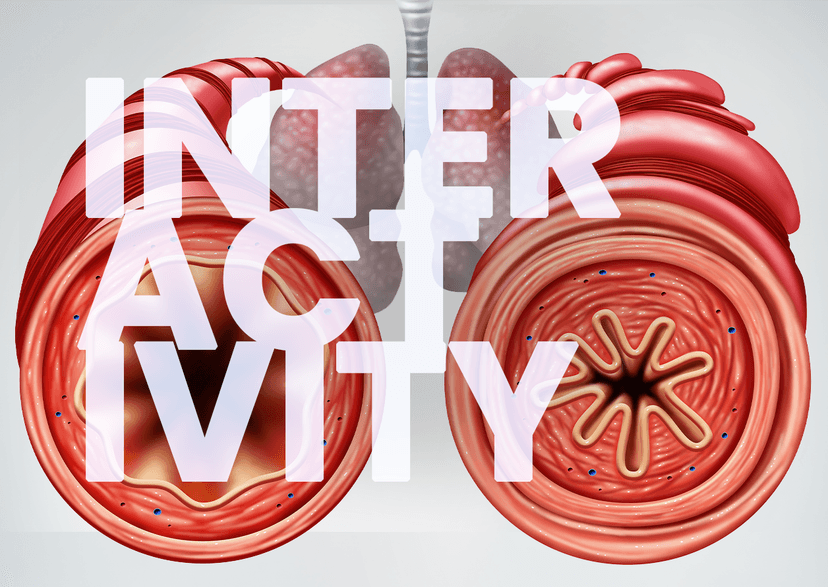
Airway Hyperresponsiveness In Asthma Is Mainly Driven By Components Of Type 2 Inflammation
Examine underlying type 2 inflammation as a driver of airway hyperresponsiveness in patients with asthma.

Spotlight on Type 2 Inflammation in the Upper and Lower Airways
In this video soundbite from the EAACI 2025 symposium, Dr. Zuzana Diamant explains pathophysiological mechanisms underlying asthma and CRSwNP, and how type 2 inflammatory cytokines drive airway remodelling in patients with severe asthma. Additionally, patients with co-existing asthma and CRSwNP have a higher type 2 inflammatory burden than patients with asthma alone.

ERS 2024 | Fireside Chat: What Is the Potential for Disease Modification in the Era of Biologics?
Professors Celeste Porsbjerg and Klaus Rabe and Dr Mario Castro discuss disease modification in severe asthma, including what disease modification is, how it can be identified, and how the advent of biologics may bring about disease modification.
