102 search results for: type 2 inflammation

FeNO Is a Noninvasive Biomarker That Can Support Diagnosis and Management for Asthma Patients
Learn how FeNO, a noninvasive biomarker for type 2 inflammation, can be used to optimize care for asthma patients.

EAACI 2024 | On-Treatment Clinical Remission in Upper and Lower Airways: Going Beyond Symptom Control
Join experts G. Walter Canonica, Vibeke Backer, and Joaquim Mullol for an educational symposium on elevating treatment goals from control to remission in the upper and lower airways.

A view into the Airway: The Pathophysiology and Clinical Relevance of Mucus Plugs in Asthma
Explore the role of type 2 inflammation in the production of mucus plugs in asthma and the effects these plugs can have on patients.
The Benefits of Early Intervention in AD: More Than Skin Deep
Many AD treatment goals focus on clinical manifestations, so that if a patient is free of lesions, their disease is considered well controlled. However, the inflammatory process underlying AD reaches far beyond the skin, affecting patients in unique ways at different stages of their lives. Education on the importance of treating AD beyond the skin and altering the treatment approach to fit the individual patient will help improve clinical management and reduce long-term patient burden.
World Anosmia Day 2026
Join the effort to improve CRSwNP care. World Anosmia Day serves as an opportunity to raise awareness about the loss of the sense of smell. Access some of countless educational resources with ADVENT below.

World Anosmia Awareness Day
Explore our educational resources about loss of smell and the role of type 2 inflammation in CRSwNP, featuring expert insights from Profs. Wytske Fokkens and Joaquim Mullol.

Type 2 Inflammation and Its Role in Atopic Dermatitis
In this video of the October 2024 ADVENT symposium at EAPS in Vienna, Austria, Dr Christine Bangert reviews the epidemiology, clinical presentation, and differential diagnoses of AD in children, as well as the inflammatory processes driven by type 2 cytokines that lead to AD and its atopic comorbidities
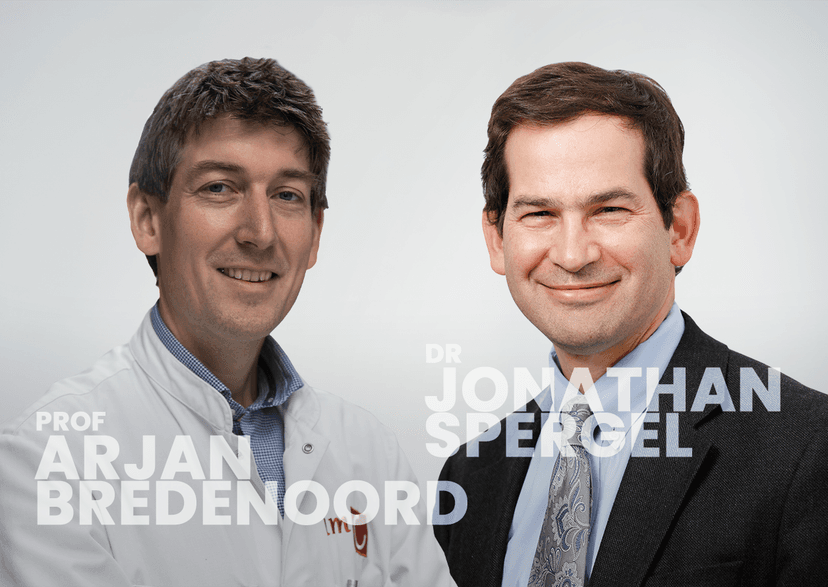
Complex EoE Pathophysiology Beyond Esophageal Eosinophilia
Dr. Jonathan Spergel and Prof. Arjan Bredenoord highlight the importance of different immune cells in type 2 inflammation in EoE.

ERS 2024 | Living With COPD: Linking Inflammation with Patient Burden
Professor Henrik Watz explores the complex relationship between inflammation and COPD, highlighting its impact on patients' health and overall quality of life.
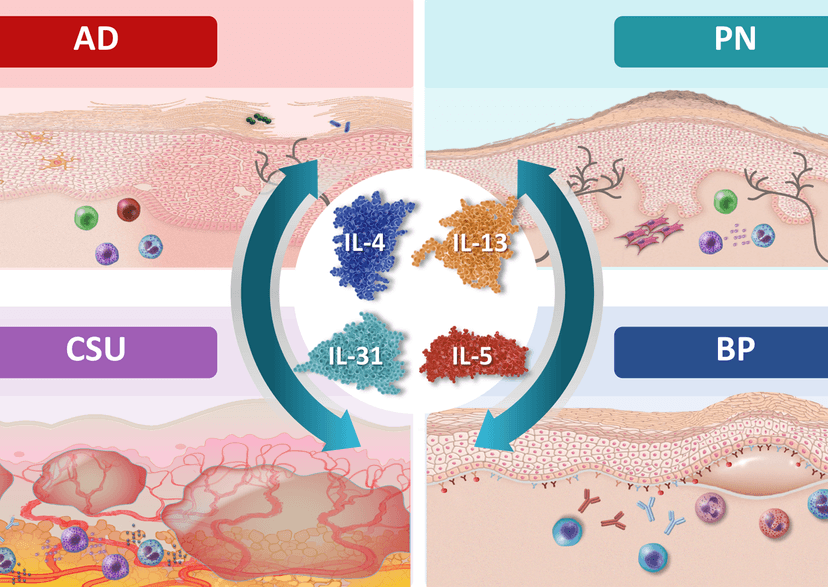
What Went Wrong? How Dysregulated Type 2 Immunity Contributes to AD, PN, CSU, and BP
This is the full presentation of the March 2025 ADVENT cross-dermatology symposium, hosted in Orlando, Florida, presenting the latest information around type 2 inflammation and its association with atopic dermatitis (AD), prurigo nodularis (PN), chronic spontaneous urticaria (CSU) and bullous pemphigoid (BP).

What Went Wrong? How Dysregulated Type 2 Immunity Contributes to AD, PN, CSU, and BP
This full video presentation of the March 2025 ADVENT cross-dermatology symposium, hosted in Orlando, Florida features Dr. Eric Simpson, Dr. Shawn Kwatra, Dr. Jason Hawkes and Dr. Victoria Werth. The faculty present the latest information around type 2 inflammation and its association with atopic dermatitis (AD), prurigo nodularis (PN), chronic spontaneous urticaria (CSU) and bullous pemphigoid (BP).

Early Intervention and Disease Modification in AD: Can We Change the Course of the Disease?
Highlights from the ADVENT educational symposium at EADV 2024 where Professors Eric Simpson, Stephan Weidinger, and Marjolein de Bruin-Weller explored the local and systemic effects of type 2 inflammation in AD and potential benefits of early intervention with regard to disease modification.
