54 search results for: mechanism of disease

ERS 2024 | Pathophysiologic Mechanisms of Airway Remodeling in Severe Asthma
Professor Celeste Porsbjerg presents the pathophysiology and disease processes involved in airway remodeling in severe asthma.

The Role of IL-4 and IL-13 in CSU Pathogenesis
Dive into the complex pathophysiology of chronic spontaneous urticaria (CSU), where mast cell degranulation drives the hallmark signs and symptoms. This interactive infographic elucidates how key type 2 cytokines, specifically IL-4 and IL-13, contribute to mast cell activation, immune cell trafficking into the skin, and neuronal sensitization in CSU, which ultimately leads to the release of mediators like histamine that cause wheals, angioedema, and itch.
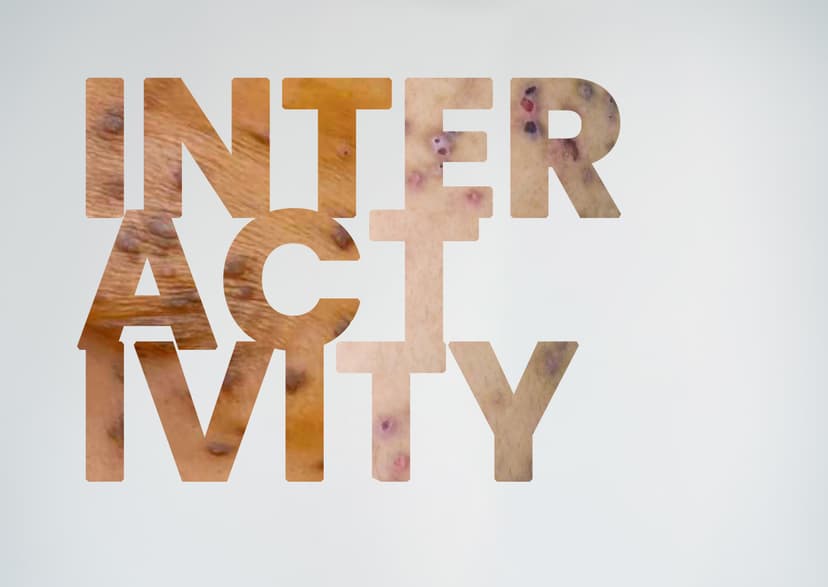
Skin Dyspigmentation In Prurigo Nodularis (PN)
This infographic illustrates the clinical manifestations, pathophysiology and impact on patients of skin dyspigmentation in Prurigo Nodularis.
KOL Video Interview – Dr Paula Luna
In this exclusive video interview, Dr Paula Luna discusses how disease modification can be defined in AD and how IgE may be used as a biomarker in AD.
Type 2 Cytokines Have Multiple Critical Roles in BP That Contribute to Inflammation and Itch
In this soundbite video from the April 2025 ADVENT Forum in Lisbon, Portugal, Dr. Eric Simpson outlines why early, targeted control of type 2 inflammation may modify the course of atopic dermatitis by addressing upstream drivers of barrier dysfunction, dysbiosis, and itch.
Charting the Future: Preventing the Atopic March
In this video from the April 2025 WCPD symposium, Dr Eulàlia Baselga discusses how early intervention during infancy and childhood in patients with AD may reduce the progression of the atopic march. Dr Baselga goes on to review data showing how the reduction of biomarkers such as IgE and CCL17 may reduce inflammation and sensitization that contribute to atopic comorbidities.

What Went Wrong? How Dysregulated Type 2 Immunity Contributes to AD, PN, CSU, and BP
This full video presentation of the March 2025 ADVENT cross-dermatology symposium, hosted in Orlando, Florida features Dr. Eric Simpson, Dr. Shawn Kwatra, Dr. Jason Hawkes and Dr. Victoria Werth. The faculty present the latest information around type 2 inflammation and its association with atopic dermatitis (AD), prurigo nodularis (PN), chronic spontaneous urticaria (CSU) and bullous pemphigoid (BP).
Underlying Type 2 Inflammation Drives a Chronic Itch-Scratch Cycle in Atopic Dermatitis
In this soundbite video from the April 2025 ADVENT Forum in Lisbon, Portugal, Dr. Brian Kim explains how underlying type 2 inflammation sustains the chronic itch-scratch cycle in atopic dermatitis, highlighting the interplay of barrier dysfunction, cytokine signaling, and neuronal activation.
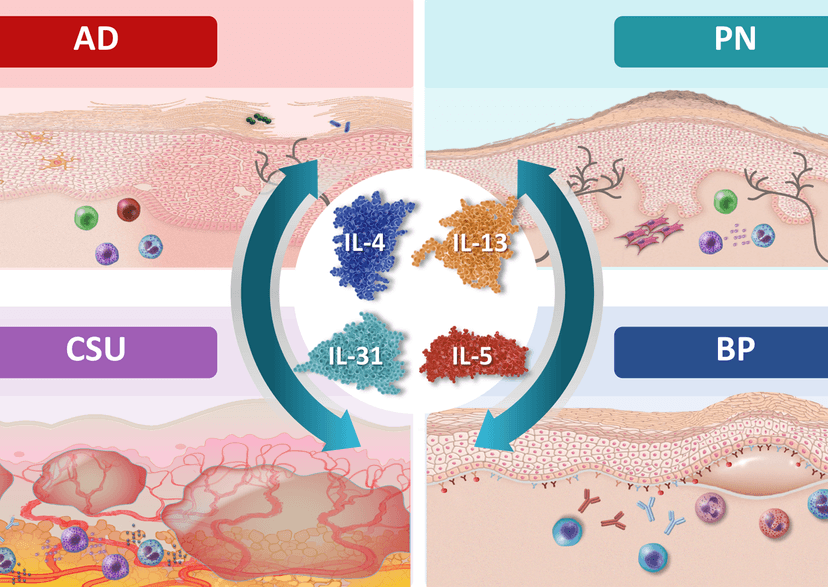
What Went Wrong? How Dysregulated Type 2 Immunity Contributes to AD, PN, CSU, and BP
This is the full presentation of the March 2025 ADVENT cross-dermatology symposium, hosted in Orlando, Florida, presenting the latest information around type 2 inflammation and its association with atopic dermatitis (AD), prurigo nodularis (PN), chronic spontaneous urticaria (CSU) and bullous pemphigoid (BP).
How Does Protective Type 2 Immunity Become Harmful Type 2 Inflammation?
In this video soundbite from the March 2025 ADVENT symposium in Orlando, Florida, Dr. Eric Simpson explains how protective type 2 immunity can become dysregulated, leading to harmful type 2 inflammation.
IL-4 Is the Primary Cytokine That Drives Th2 Cell Polarization and Amplifies Type 2 Inflammation
In this soundbite video from the April 2025 ADVENT Forum in Lisbon, Portugal, Prof Oscar Palomares describes how IL-4 is the key cytokine involved in the initiation and perpetuation of Th2 cell responses and type 2 inflammation.

Type 2 Inflammation, Neurosensitization, and Chronic Itch in Atopic Dermatitis
Learn about type 2 inflammation as a driver of neurosensitization and chronic itch in atopic dermatitis with this educational tool.
