46 search results for: disease control
Loss of Smell is a Key Symptom of CRSwNP
Learn how loss of smell in CRSwNP is a key symptom for both patients and providers.
Understanding Barriers to Advanced Systemic Therapy in AD
Dr. Jean-David Bouaziz highlights a study describing barriers to initiating advanced systemic therapy for AD at EADV 2025
Early Intervention May Have the Potential to Alter the Trajectory of Atopic Dermatitis
Dr. Lawrence Eichenfield discusses the meaning of "early intervention" and its potential implications in atopic dermatitis.
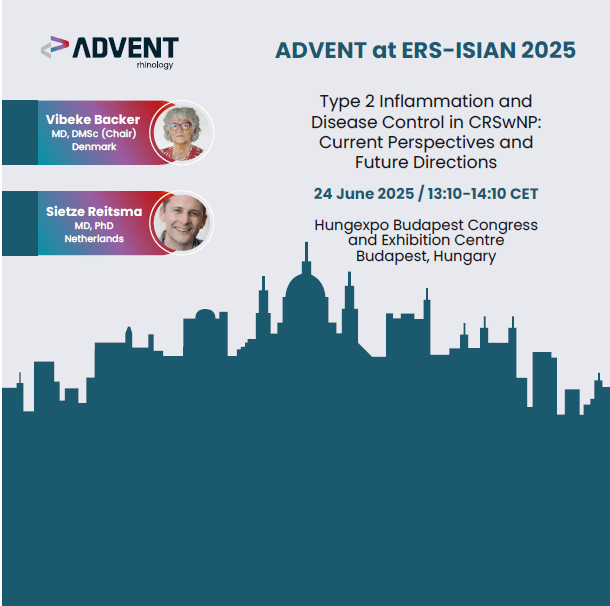
ADVENT at ERS-ISIAN 2025
Join experts Vibeke Backer, MD, DMSC, and Sietze Reitsma, MD, at an educational symposium involving a comprehensive exploration of the type 2 inflammation and its pivotal role in the pathogenesis and management of CRSwNP.
Cumulative Impact of Uncontrolled Atopic Dermatitis: Skin Inflammation as the Tip of the Iceberg
Prof Jean-David Bouaziz describes the multifaceted burden of atopic dermatitis, beyond what can be seen on the skin, at EADV 2025.
Type 2 Cytokines Have Multiple Critical Roles in BP That Contribute to Inflammation and Itch
In this soundbite video from the April 2025 ADVENT Forum in Lisbon, Portugal, Dr. Eric Simpson outlines why early, targeted control of type 2 inflammation may modify the course of atopic dermatitis by addressing upstream drivers of barrier dysfunction, dysbiosis, and itch.

Type 2 Inflammation and Sinonasal Barrier Dysfunction in CRSwNP
Explore how type 2 inflammation drives sinonasal barrier dysfunction in chronic rhinosinusitis with nasal polyps (CRSwNP) with this video on the cellular mechanisms behind hallmark symptoms — including nasal congestion and loss of smell.
Charting the Future: Preventing the Atopic March
In this clip from the April WCPD 2025 symposium, Dr Eulàlia Baselga highlights the multidimensional burden of uncontrolled AD and how the various burdens contribute to Cumulative Life Course Impairment (CLCI).
CRSwNP at Center Stage: Impact of Biologics in Patients with Co-existing Type 2 Asthma
In this video soundbite from the EAACI 2025 symposium, Dr. Philippe Gevaert explains how biologic options for uncontrolled CRSwNP are increasing, and phase 3 studies of approved biologics show improved outcomes and decreased SCS use/surgery in patients with CRSwNP. Additionally, he explains how biologics targeting type 2 inflammatory pathophysiology potentially improve outcomes for eligible patients with co-existing CRSwNP and asthma.
