29 search results for: disease progression
The Benefits of Early Intervention in AD: More Than Skin Deep
Many AD treatment goals focus on clinical manifestations, so that if a patient is free of lesions, their disease is considered well controlled. However, the inflammatory process underlying AD reaches far beyond the skin, affecting patients in unique ways at different stages of their lives. Education on the importance of treating AD beyond the skin and altering the treatment approach to fit the individual patient will help improve clinical management and reduce long-term patient burden.
Uncovering the Impact of Moderate COPD Exacerbations
The infographic provides information about the clinical characteristics used to classify moderate COPD exacerbations and the impact of these events on lung function, future risk, and mortality.

ADVENT On Air | Back Again: Predicting Recurrence in Chronic Rhinosinusitis with Nasal Polyps
Learn from Drs. Buchheit and Wagenmann as they discuss key patient traits that predict disease recurrence in CRSwNP.

UEGW 2024 | WHAT Can Be Used to Monitor Treatment Response in EoE and WHEN?
Dr. Milli Gupta emphasizes the need to regularly monitor multiple disease domains when assessing treatment response, not just EoE symptoms.

Master Clinician Video | Advanced Clinical Practice in EoE (Full)
Learn how a food bolus impaction event can help identify a patient with EoE and the importance of multiple disease domains in assessing EoE.

ACG 2025 | Stop Spinning Your Wheels on EoE
Drs. Dellon and Dickstein host a symposium where audience members solve puzzles to uncover cutting-edge knowledge of eosinophilic esophagitis (EoE).

Master Clinician Video | Scope of Care: EoE in the Endoscopy Suite (Chapter 2)
This chapter highlights different endoscopic features of EoE that one may find during an upper endoscopy.

ADVENT On Air | Be on the Lookout for EoE: The Importance of Early Diagnosis
Join Dr. Aceves and Ms. Ugras as they share their insights on how to identify potential patients with EoE and the importance of early diagnosis.

Interplay of Barrier Dysfunction and Type 2 Inflammation in EoE
Learn from Prof. Seema Aceves about the interconnectivity of type 2 inflammation and barrier dysfunction in mediating EoE pathophysiology.
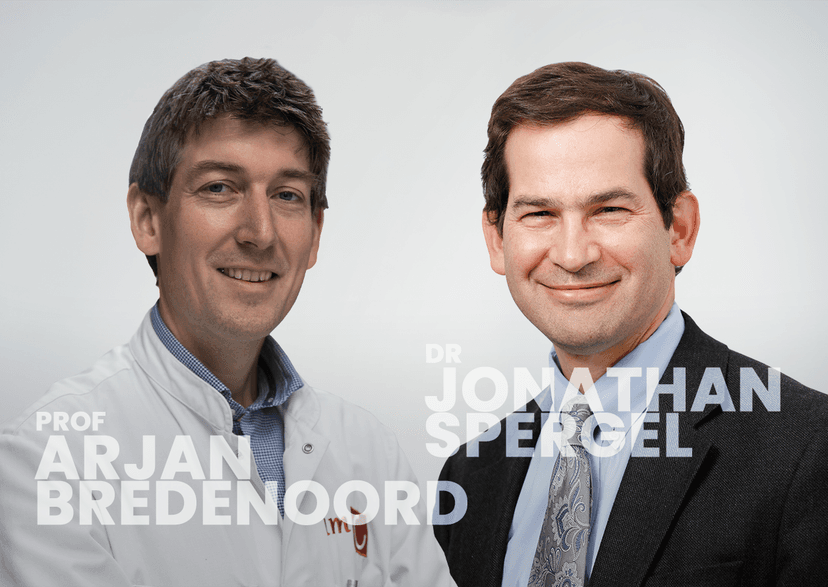
Complex EoE Pathophysiology Beyond Esophageal Eosinophilia
Dr. Jonathan Spergel and Prof. Arjan Bredenoord highlight the importance of different immune cells in type 2 inflammation in EoE.
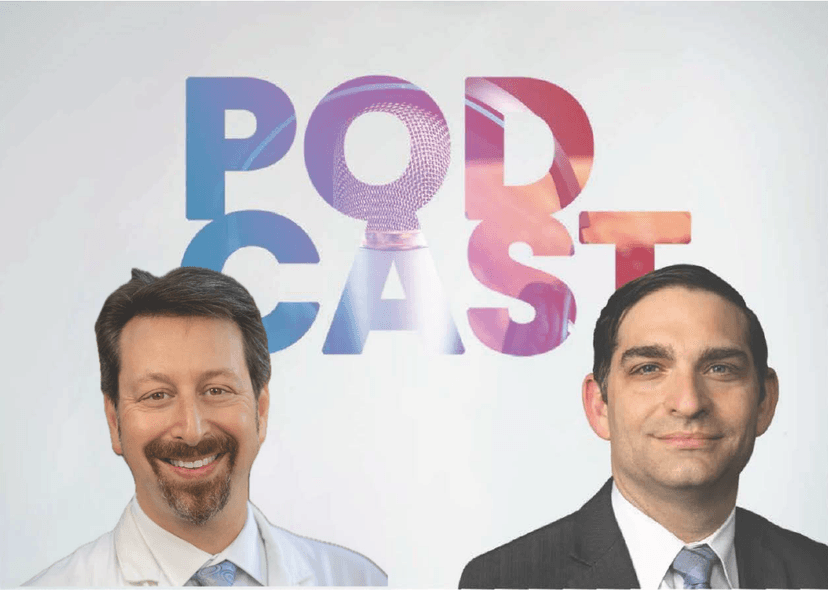
ADVENT On Air | Eosinophilic Esophagitis: Steering Toward Success
Learn from Drs. Dellon and Wechsler as they discuss best practices in EoE, including highlights from EoE guidelines in the US and EU.

UEG 2025 | Understanding Type 2 Inflammation in EoE: A Case-Based Discussion
Profs. Greuter, Savarino, and Giordano discuss best practices for EoE identification, multidimensional EoE assessment, and transition of care.
