10 search results for: cytokines
Type 2 Cytokines Have Multiple Critical Roles in BP That Contribute to Inflammation and Itch
In this soundbite video from the April 2025 ADVENT Forum in Lisbon, Portugal, Dr. Eric Simpson outlines why early, targeted control of type 2 inflammation may modify the course of atopic dermatitis by addressing upstream drivers of barrier dysfunction, dysbiosis, and itch.

The Role of IL-4 and IL-13 in CSU Pathogenesis
Dive into the complex pathophysiology of chronic spontaneous urticaria (CSU), where mast cell degranulation drives the hallmark signs and symptoms. This interactive infographic elucidates how key type 2 cytokines, specifically IL-4 and IL-13, contribute to mast cell activation, immune cell trafficking into the skin, and neuronal sensitization in CSU, which ultimately leads to the release of mediators like histamine that cause wheals, angioedema, and itch.
In Chronic Pruritic Skin Diseases, the Neuroimmune Axis Involves Dynamic Interactions Between Type 2 Inflammation and Sensory Nerves
In this soundbite video from the April 2025 ADVENT Forum in Lisbon, Portugal, Dr. Brian Kim describes the dynamic neuroimmune interactions in chronic pruritic skin diseases, emphasizing how type 2 cytokines and sensory nerves actively influence both itch perception and tissue inflammation.

Spotlight on Type 2 Inflammation in the Upper and Lower Airways
In this video soundbite from the EAACI 2025 symposium, Dr. Zuzana Diamant explains pathophysiological mechanisms underlying asthma and CRSwNP, and how type 2 inflammatory cytokines drive airway remodelling in patients with severe asthma. Additionally, patients with co-existing asthma and CRSwNP have a higher type 2 inflammatory burden than patients with asthma alone.
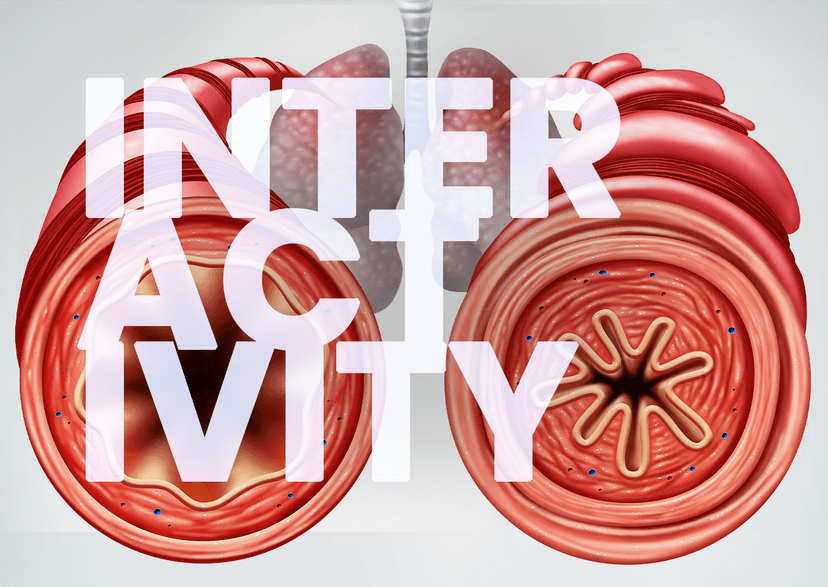
Airway Hyperresponsiveness In Asthma Is Mainly Driven By Components Of Type 2 Inflammation
Examine underlying type 2 inflammation as a driver of airway hyperresponsiveness in patients with asthma.
Interplay of Barrier Dysfunction and Type 2 Inflammation in EoE
Learn from Prof. Seema Aceves about the interconnectivity of type 2 inflammation and barrier dysfunction in mediating EoE pathophysiology.
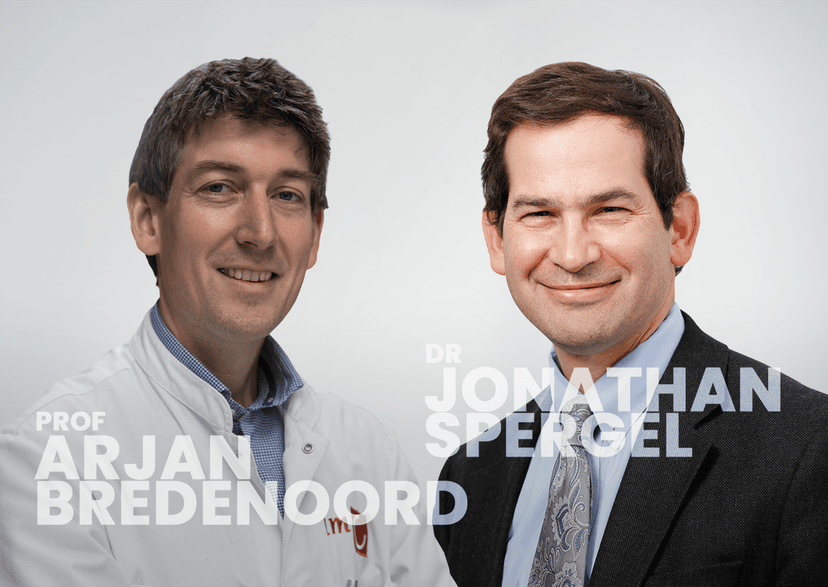
Complex EoE Pathophysiology Beyond Esophageal Eosinophilia
Dr. Jonathan Spergel and Prof. Arjan Bredenoord highlight the importance of different immune cells in type 2 inflammation in EoE.
The Benefits of Early Intervention in AD: More Than Skin Deep
Many AD treatment goals focus on clinical manifestations, so that if a patient is free of lesions, their disease is considered well controlled. However, the inflammatory process underlying AD reaches far beyond the skin, affecting patients in unique ways at different stages of their lives. Education on the importance of treating AD beyond the skin and altering the treatment approach to fit the individual patient will help improve clinical management and reduce long-term patient burden.