90 search results for: Pathophysiology
Complex EoE Pathophysiology Beyond Esophageal Eosinophilia
Dr. Jonathan Spergel and Prof. Arjan Bredenoord highlight the importance of different immune cells in type 2 inflammation in EoE.
Interplay of Barrier Dysfunction and Type 2 Inflammation in EoE
Learn from Prof. Seema Aceves about the interconnectivity of type 2 inflammation and barrier dysfunction in mediating EoE pathophysiology.
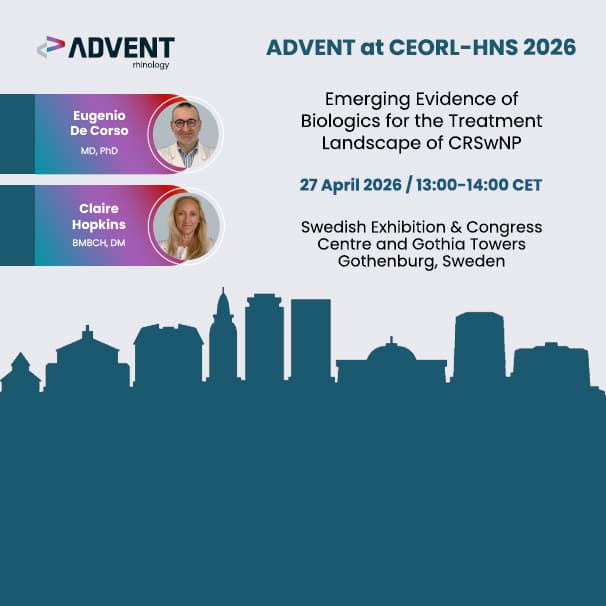
CEORL-HNS 2026 | Emerging Evidence of Biologics for the Treatment Landscape of CRSwNP
Join Sanofi and Regeneron for an educational symposium on type 2 inflammation, patient characteristics predictive of disease recurrence, and emerging real-world evidence for biologics in CRSwNP.
Potential Biomarkers of Subclinical Control in AD Pathophysiology
Dr. Amy Paller describes potential biomarkers of subclinical control at EADV 2025
More Than Eosinophils: A Closer Look at the Pathophysiology of EoE
Join Prof. Kathryn Peterson for an expert review on how different immune cells and inflammatory mediators contribute to the pathogenesis of EoE.
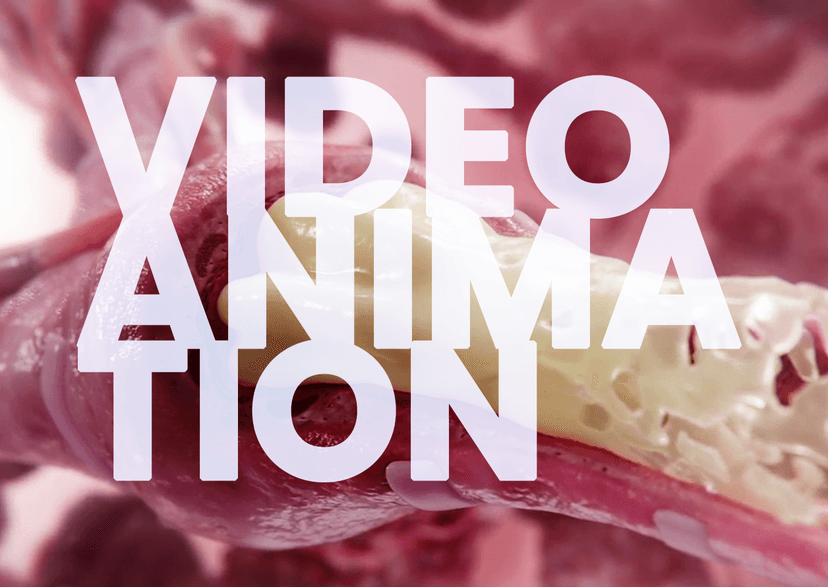
A view into the Airway: The Pathophysiology and Clinical Relevance of Mucus Plugs in Asthma
Explore the role of type 2 inflammation in the production of mucus plugs in asthma and the effects these plugs can have on patients.
ADVENT at CEORL-HNS 2026
Join Sanofi and Regeneron for an educational symposium on type 2 inflammation, patient characteristics predictive of disease recurrence, and emerging real-world evidence for biologics in CRSwNP.
Multifaceted Role of IL-13 in Airway Remodeling
Join Dr. Celeste Porsbjerg as she discusses on how IL-13 contributes to mucus plugging in asthma.
On the Surface: Restoring the Skin Barrier in Patients With AD
In this video from the April 2025 WCPD symposium, Dr Amy Paller discusses the pathophysiology of skin barrier dysfunction in AD and how regulating IL-4 and IL-13 signaling may lead to restoration of the skin barrier. Dr Paller goes on to explore how reducing certain biomarkers, such as CCL17 (TARC), may reduce inflammation that contributes to AD severity in pediatric patients.

The Benefits of Early Intervention in Reducing the Burden of Disease in Children With Atopic Dermatitis
This page presents educational material, infographics, and video highlights from our recent ADVENT symposia, including the 2025 World Congress of Pediatric Dermatology (WCPD) in Buenos Aires, Argentina, exploring the pathophysiology of type 2 inflammation and atopic dermatitis, the burden of disease leading to cumulative life course impairment (CLCI), and the risk of the atopic march in pediatric patients with atopic dermatitis.

The Role of IL-4 and IL-13 in CSU Pathogenesis
Dive into the complex pathophysiology of chronic spontaneous urticaria (CSU), where mast cell degranulation drives the hallmark signs and symptoms. This interactive infographic elucidates how key type 2 cytokines, specifically IL-4 and IL-13, contribute to mast cell activation, immune cell trafficking into the skin, and neuronal sensitization in CSU, which ultimately leads to the release of mediators like histamine that cause wheals, angioedema, and itch.
