66 search results for: symposium

EAACI 2024 | On-Treatment Clinical Remission in Upper and Lower Airways: Going Beyond Symptom Control
Join experts G. Walter Canonica, Vibeke Backer, and Joaquim Mullol for an educational symposium on elevating treatment goals from control to remission in the upper and lower airways.
ADVENT in Orlando, 2025
Type 2 inflammation contributes to many dermatologic diseases, which may lead to potentially life-changing burdens and challenges to patients and caregivers. By uncovering the role of type 2 inflammation in the pathophysiology of AD, PN, CSU, and BP, we can move forward in our understanding of each disease. Join global experts for an educational symposium on March 8th that will uncover the role of type 2 inflammation in the pathophysiology of AD, PN, CSU, and BP and explore questions driving current research in each disease.
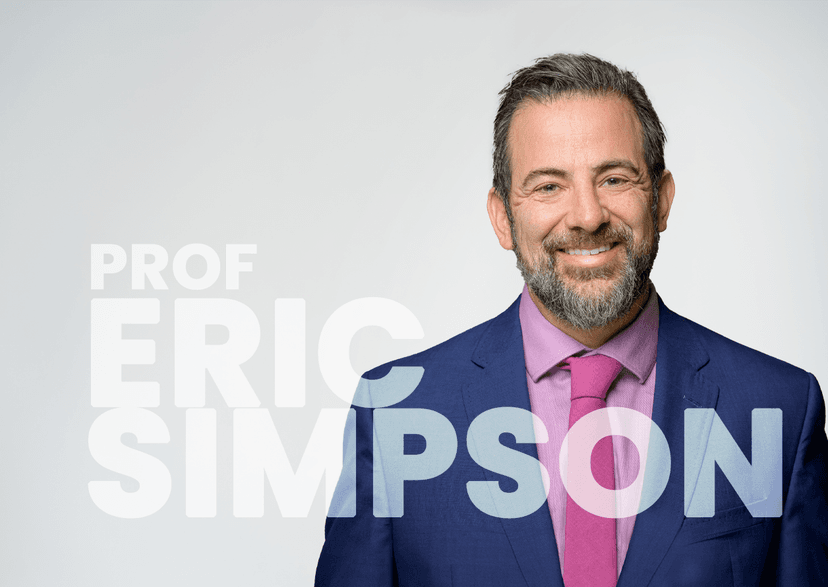
Under the Itchy Surface: The Insidious, Cumulative Burden of Type 2 Inflammation in AD
In this video from the March 2025 ADVENT symposium in Orlando, Florida, Dr. Eric Simpson discusses the systemic nature of atopic dermatitis (AD) and how the disease burden extends beyond the skin. Through the lens of cumulative life course impairment, Dr. Simpson goes on to explore how persistent type 2 inflammation in AD may drive both atopic and nonatopic comorbidities, emphasizing the potential importance of early and effective therapeutic intervention to alter disease progression

UEGW 2024 | Something to Chew On: Exploring Biologics in EoE Management
Prof. Salvatore Oliva and Dr. Milli Gupta discuss the importance of long-term care, multidimensional assessment, and the latest data for biologics.

UEG 2025 | Understanding Type 2 Inflammation in EoE: A Case-Based Discussion
Profs. Greuter, Savarino, and Giordano discuss best practices for EoE identification, multidimensional EoE assessment, and transition of care.
UEG 2025 | Bridging the Gap in EoE: Strategies for Seamless Transition of Care
Profs. Greuter, Savarino, and Giordano discuss multidimensional EoE assessment, tailoring long-term care to patient needs, and recent clinical data.
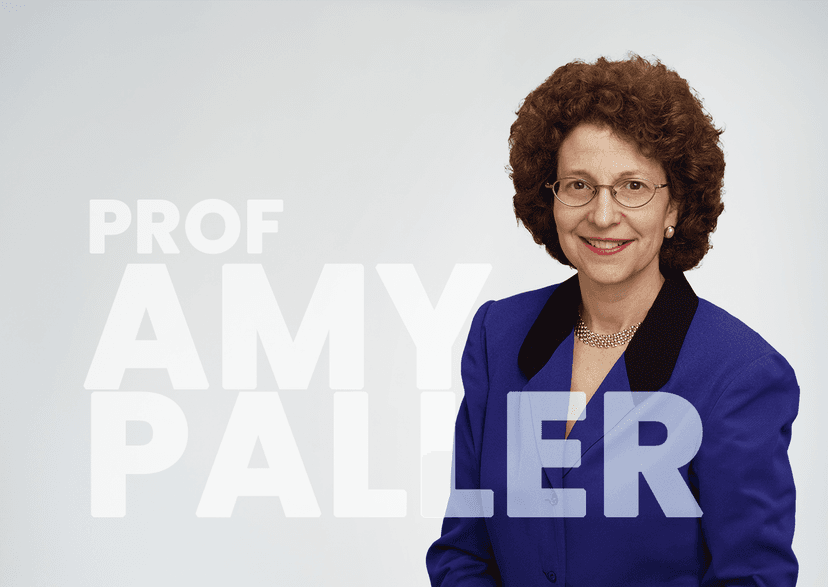
On the Surface: Restoring the Skin Barrier in Patients with AD
In this clip from the April WCPD 2025 symposium, Dr Amy Paller highlights CCL17 (TARC) as an important biomarker in AD.
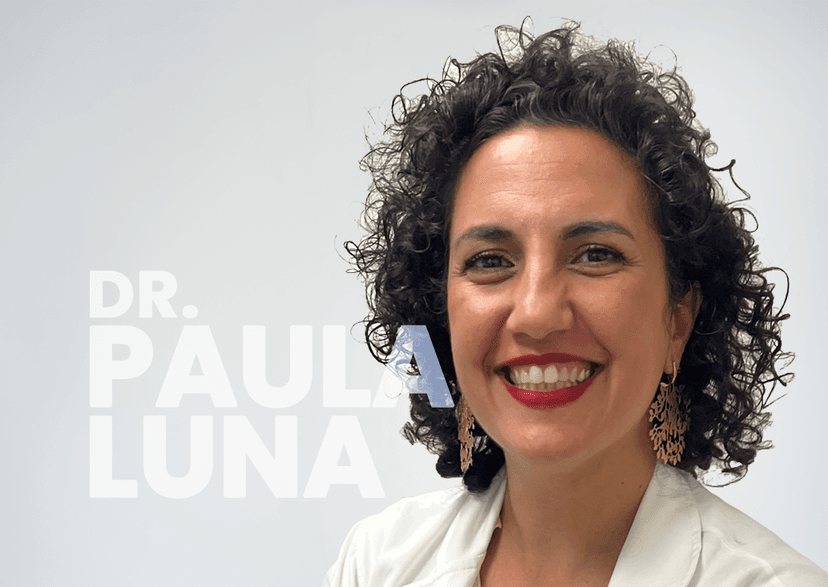
Digging Deeper: Reducing Non-Atopic Comorbidities and Multidimensional Disease Burden
In this clip from the April WCPD 2025 symposium, Dr Paula Luna discusses how moderate-to-severe AD may hinder growth in pediatric patients.
Charting the Future: Preventing the Atopic March
In this clip from the April WCPD 2025 symposium, Dr Eulàlia Baselga highlights the multidimensional burden of uncontrolled AD and how the various burdens contribute to Cumulative Life Course Impairment (CLCI).

ERS-ISIAN 2025 | Type 2 Inflammation and Disease Control in CRSwNP: Current Perspectives and Future Directions
The ERS-ISIAN 2025 symposium, featuring Prof. Vibeke Backer and Prof. Sietze Reitsma, titled "Type 2 Inflammation and Disease Control in CRSwNP: Current Perspectives and Future Directions," will delve into the complexities of the role of type 2 inflammation in CRSwNP.

Head-to-Head Trials of Biologics in CRSwNP
In this video soundbite from the ERS-ISIAN 2025 symposium, Dr. Sietze Reitsma discusses findings from the EVEREST trial, the first head-to-head study comparison of dupilumab and omalizumab in patients with severe CRSwNP and coexisting asthma. It also introduces the ongoing TORNADO study.
The Benefits of Early Intervention in AD: More Than Skin Deep
Many AD treatment goals focus on clinical manifestations, so that if a patient is free of lesions, their disease is considered well controlled. However, the inflammatory process underlying AD reaches far beyond the skin, affecting patients in unique ways at different stages of their lives. Education on the importance of treating AD beyond the skin and altering the treatment approach to fit the individual patient will help improve clinical management and reduce long-term patient burden.
