15 search results for: itch

Expert
Sarina Elmariah, MD, PhD, MPH
Associate Professor and Dermatology Director at the UCSF Centre for Itch and Neurosensory Disorders at the University of California in San Francisco, California, US
Type 2 Inflammation
In Chronic Pruritic Skin Diseases, the Neuroimmune Axis Involves Dynamic Interactions Between Type 2 Inflammation and Sensory Nerves
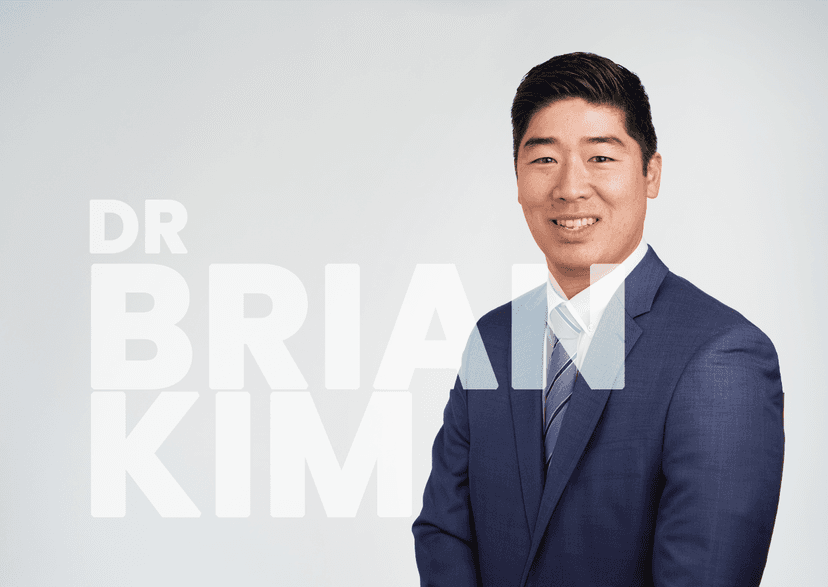
In this soundbite video from the April 2025 ADVENT Forum in Lisbon, Portugal, Dr. Brian Kim describes the dynamic neuroimmune interactions in chronic pruritic skin diseases, emphasizing how type 2 cytokines and sensory nerves actively influence both itch perception and tissue inflammation.
