33 search results for: disease control

Navigating Complex Definitions: Early Intervention and Disease Modification in Atopic Dermatitis
Dr. Amy Paller discusses the evolving concepts of early intervention and disease modification in AD and describes potential biomarkers of subclinical control at EADV 2025.

Emerging Perspectives on the Disease Burden and Management of Children With Atopic Dermatitis
This video of the October 2024 ADVENT symposium at EAPS in Vienna, Austria features Drs Christine Bangert, Mark Boguniewicz, and Perla Lansang as they discuss the inflammatory processes driven by type 2 cytokines that lead to AD and atopic comorbidities, the multidimensional and cumulative disease burden associated with AD and its comorbidities, and the current and emerging treatment options for children with AD uncontrolled with topical therapy
ADVENT On Air | Early Intervention and Disease Modification in Atopic Dermatitis
Prof. Thomas Bieber explores early intervention and disease modification in atopic dermatitis.
Digestive Disease Week 2024 | Washington D.C.
Join ADVENT at the Digestive Disease Week 2024 Congress and visit the Sanofi and Regeneron Medical Booth # 1707.
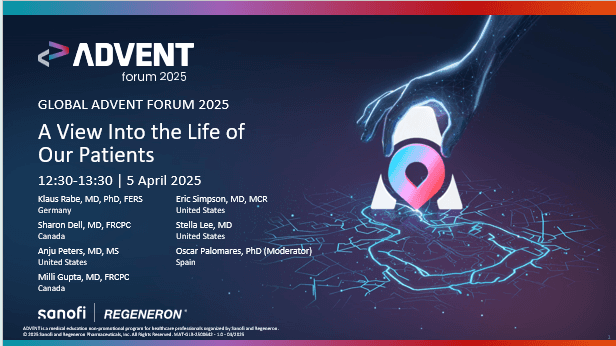
2025 ADVENT Forum | Joint Plenary Session: A View into the Life of Our Patients Video
This cross-TA plenary session addressed challenges in type 2 inflammation-driven diseases. Esteemed faculty, including Profs Klaus Rabe, Sharon Dell, Anju Peters, Milli Gupta, Eric Simpson, Stella Lee, and moderator Oscar Palomares, discussed strategies to enhance quality of life, reduce disease burden, and prioritize patient-centered care.

Giselle Mosnaim, MD, MS, FAAAAI, FACAAI
Giselle Mosnaim is a board-certified allergist and immunologist at Endeavor Health and Clinical Assistant Professor at the University of Chicago Pritzker School of Medicine. An internationally recognized expert in asthma and allergic diseases, her clinical and research interests focus on severe and uncontrolled asthma, digital health, and improving patient outcomes through innovative, evidence-based care.
Connecting Type 2 Inflammation to CRSwNP
Prof. Claus Bachert describes how type 2 inflammation drives CRSwNP.
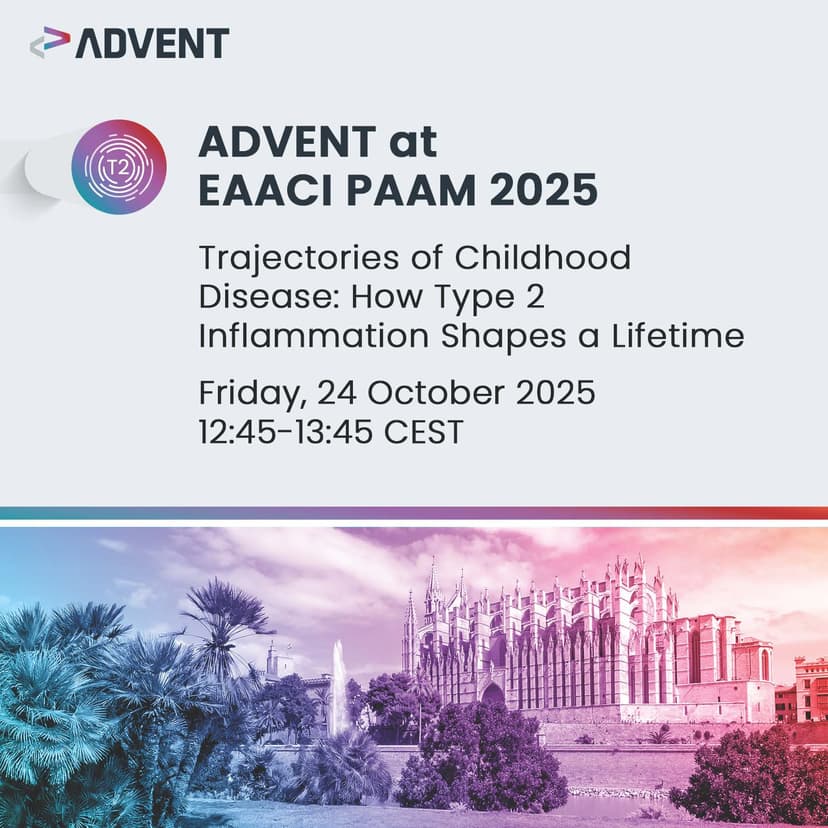
ADVENT at EAACI PAAM 2025
Join Sanofi and Regeneron for an educational symposium on type 2 inflammation processes underlying pediatric asthma, atopic dermatitis, and eosinophilic esophagitis.
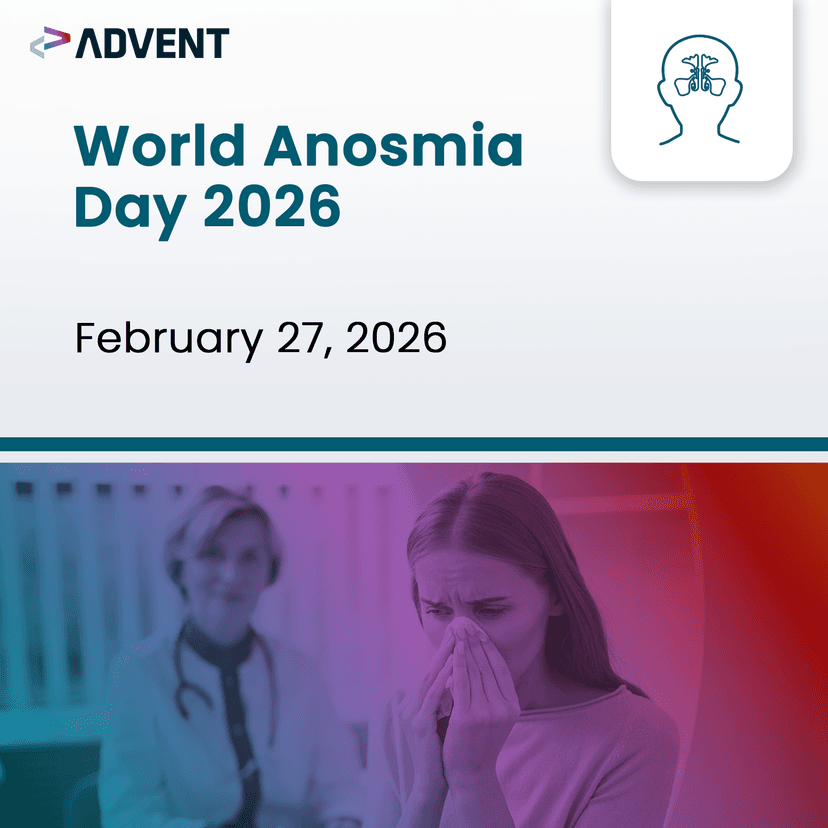
World Anosmia Day 2026
Join the effort to improve CRSwNP care. World Anosmia Day serves as an opportunity to raise awareness about the loss of the sense of smell. Access some of countless educational resources with ADVENT below.

World Anosmia Awareness Day
Explore our educational resources about loss of smell and the role of type 2 inflammation in CRSwNP, featuring expert insights from Profs. Wytske Fokkens and Joaquim Mullol.

Beyond Clinical Control: Targeting Type 2 Inflammation for Improved Patient Outcomes
Prof Alan Irvine presents the latest clinical and real-world evidence supporting the potential for disease modification in atopic dermatitis, at EADV 2025.

Gap in Care Leads to Progression of Fibrosis in EoE
Dr. Evan Dellon discusses the clinical implications of gaps in medical care on the risk of fibrotic progression in EoE.
