37 search results for: disease control

ERS-ISIAN 2025 | Disease Control in CRSwNP
Unpack the keys to successful disease control in CRSwNP alongside expert Prof. Vibeke Backer. Learn how to navigate treatment pathways for improved patient quality of life.

ERS-ISIAN 2025 | Type 2 Inflammation and Disease Control in CRSwNP: Current Perspectives and Future Directions
In this educational presentation, Profs. Vibeke Backer and Sietze Reitsma cover key aspects of type 2 inflammation and its role in the pathogenesis and management of CRSwNP and practical strategies for optimizing disease control and improving patient outcomes.

ERS-ISIAN 2025 | Type 2 Inflammation and Disease Control in CRSwNP: Current Perspectives and Future Directions
The ERS-ISIAN 2025 symposium, featuring Prof. Vibeke Backer and Prof. Sietze Reitsma, titled "Type 2 Inflammation and Disease Control in CRSwNP: Current Perspectives and Future Directions," will delve into the complexities of the role of type 2 inflammation in CRSwNP.

ADVENT at IRS-ISIAN | Evolving Perspectives in CRSwNP: From Symptom Control to Disease Remission
Join Profs. Shigeharu Fujieda, Peter Hellings, and Eugenio De Corso for an educational symposium on the evolving understanding of disease control and clinical remission in CRSwNP.

Both Clinical and Subclinical Disease Control Are Important to Achieve Disease Modification in AD
In this soundbite video from the April 2025 ADVENT Forum in Lisbon, Portugal, Dr. Eric Simpson explains how both clinical and subclinical disease control are critical for achieving true disease modification in atopic dermatitis, emphasizing the role of biomarkers in predicting long-term outcomes and guiding treatment decisions.

Can Therapy-Free Disease Control Be Achieved in Atopic Dermatitis?
In this soundbite video from the April 2025 ADVENT Forum in Lisbon, Portugal, Prof. Thomas Bieber discusses emerging evidence that therapy-free disease control may be possible in atopic dermatitis, citing pediatric dupilumab data showing that a subset of patients-maintained remission after treatment discontinuation.
The Benefits of Early Intervention in AD: More Than Skin Deep
Many AD treatment goals focus on clinical manifestations, so that if a patient is free of lesions, their disease is considered well controlled. However, the inflammatory process underlying AD reaches far beyond the skin, affecting patients in unique ways at different stages of their lives. Education on the importance of treating AD beyond the skin and altering the treatment approach to fit the individual patient will help improve clinical management and reduce long-term patient burden.

ERS-ISIAN 2025 | Type 2 Inflammation: Links with Severe/Uncontrolled CRSwNP
Prof. Vibeke Backer provides an insightful presentation on the association of type 2 inflammation and the pathogenesis and management of severe and uncontrolled CRSwNP.

Type 2 Inflammation: Links With Severe Uncontrolled CRSwNP
In this video soundbite from the ERS-ISIAN 2025 symposium, Dr. Vibeke Backer discusses how Type 2 inflammation drives severe, uncontrolled CRSwNP. It covers key immune cells and biomarkers (e.g., IL-4, IL-5, IL-13, TSLP), global prevalence differences, and the importance of symptom tracking and targeted therapies.

Can Therapy-Free Disease Control Be Achieved in Atopic Dermatitis?
In this soundbite video from the April 2025 ADVENT Forum in Lisbon, Portugal, Prof. Amy Paller reviews a Japanese study showing that early proactive treatment of infant atopic dermatitis with topical corticosteroids reduced the incidence of food allergy but was also associated with decreased gains in height and weight.

The Burden of a Lifetime: Can Disease Modification Rewrite the Narrative of Atopic Dermatitis?
Professors Bouaziz, Paller, and Irvine discuss the clinical burden of atopic dermatitis, the biomarkers of subclinical control, and evidence of potential disease modification in AD at EADV 2025.
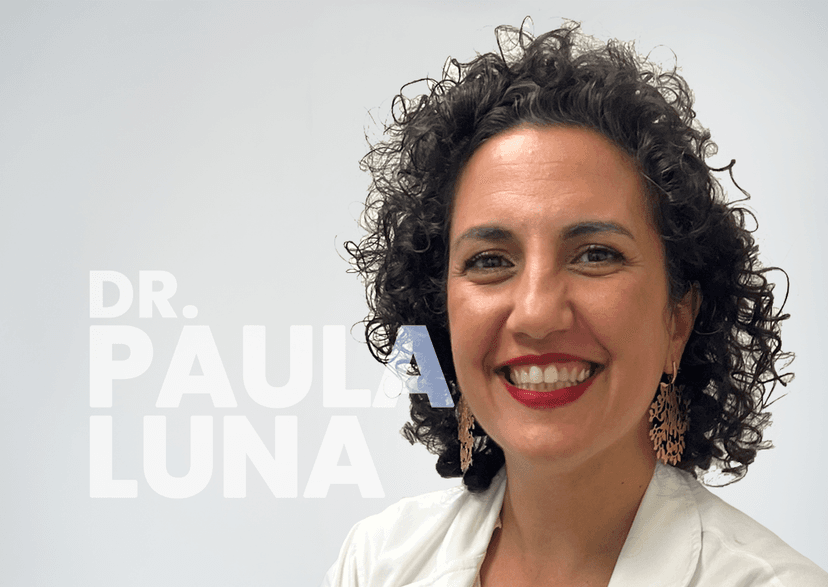
Digging Deeper: Reducing Non-Atopic Comorbidities and Multidimensional Disease Burden
In this video from the April 2025 WCPD symposium, Dr Paula Luna discusses the multidimensional disease burden in pediatric patients with AD and the data regarding how early intervention may lead to long-term disease control and a reduced risk of developing non-atopic comorbidities.
