78 search results for: chronic inflammation

The Role of IL-4 and IL-13 in CSU Pathogenesis
Dive into the complex pathophysiology of chronic spontaneous urticaria (CSU), where mast cell degranulation drives the hallmark signs and symptoms. This interactive infographic elucidates how key type 2 cytokines, specifically IL-4 and IL-13, contribute to mast cell activation, immune cell trafficking into the skin, and neuronal sensitization in CSU, which ultimately leads to the release of mediators like histamine that cause wheals, angioedema, and itch.
Role of Type 2 Inflammation in Skin Barrier Disruption and Itch
In this highlight video from the October 2024 ADVENT symposium at EAPS in Vienna, Austria, Dr Christine Bangert discusses how type 2 inflammation contributes to epidermal barrier dysfunction and chronic itch in AD
Type 2 Inflammation Within Skin Tissue in AD
In this highlight video from the September 2024 ADVENT symposium at EADV’s Annual Meeting in Amsterdam, the Netherlands, Dr. Stephan Weidinger discusses how type 2 inflammation contributes to epidermal barrier dysfunction, perivascular infiltration and plasma protein leakage, and chronic itch in AD.

Decoding the Clinical Puzzle: Navigating Diagnostic Complexity Across Inflammatory Skin Diseases
Dr Sarina Elmariah highlights the clinical challenges in diagnosing inflammatory skin diseases, using prurigo nodularis as a case study. Drs Culton, Eichenfield, and Hawkes then join in to discuss additional challenges and complexities when diagnosing other skin diseases.
The Role of IL-4 and IL-13 in the Pathophysiology of CSU
Dr. Jason Hawkes details the role of IL-4 and IL-13 in the pathophysiology of CSU at EADV 2025
Assessment of Smell Loss in CRSwNP Interactive Infographic
Use this educational tool to explore the daily burden of loss of smell for patients with CRSwNP.
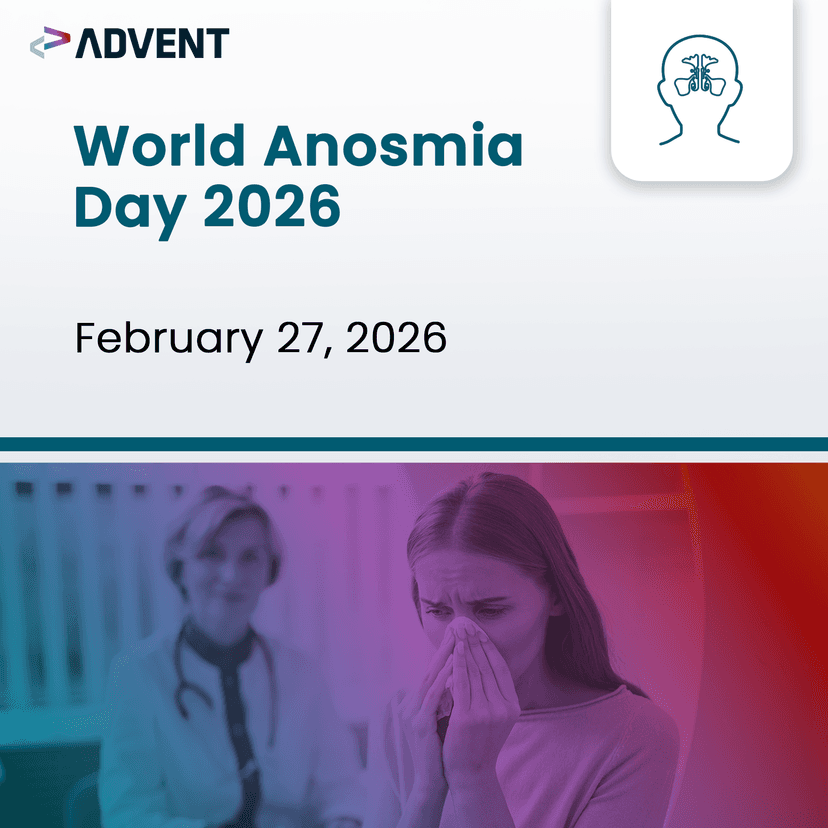
World Anosmia Day 2026
Join the effort to improve CRSwNP care. World Anosmia Day serves as an opportunity to raise awareness about the loss of the sense of smell. Access some of countless educational resources with ADVENT below.
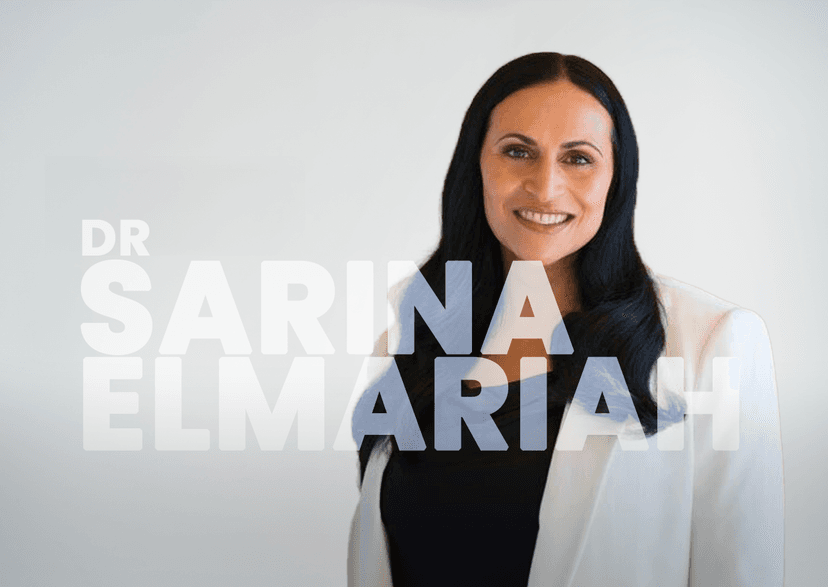
Neuroimmune Dysfunction Is Critical in the Pathophysiology of Prurigo Nodularis
Dr. Sarina Elmariah explains the importance of neuroimmune crosstalk in the development of prurigo nodularis.
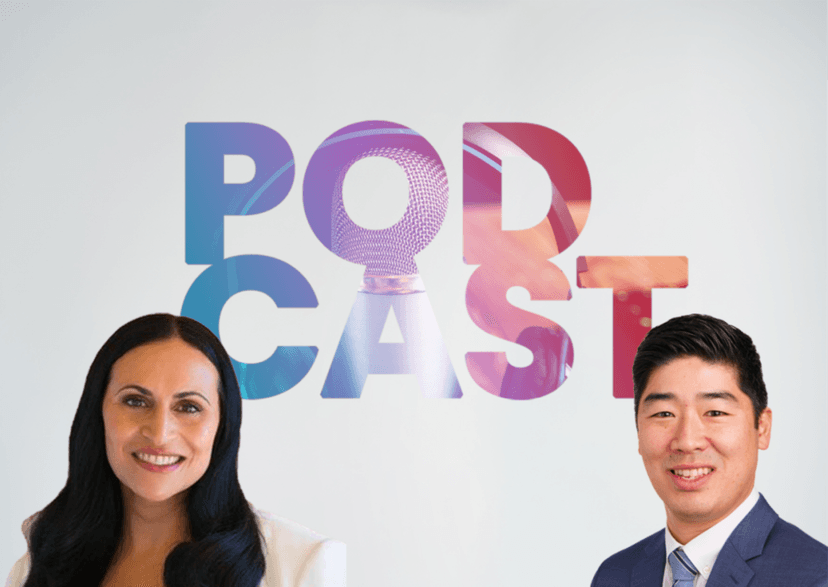
ADVENT On-Air Podcast: The Multifaceted Patient Burden and Drivers of Disease in Prurigo Nodularis
In this episode, Dr. Sarina Elmariah and Dr. Brian Kim explore prurigo nodularis (PN), with a focus on severe itch, fibrotic skin lesions, and their impact on patients’ quality of life. They discuss PN epidemiology, common comorbidities, and the challenges of managing multimorbid patients, while breaking down the neuroimmune mechanisms, highlighting the role of type 2 cytokines in itch and lesion development.
The Benefits of Early Intervention in AD: More Than Skin Deep
Many AD treatment goals focus on clinical manifestations, so that if a patient is free of lesions, their disease is considered well controlled. However, the inflammatory process underlying AD reaches far beyond the skin, affecting patients in unique ways at different stages of their lives. Education on the importance of treating AD beyond the skin and altering the treatment approach to fit the individual patient will help improve clinical management and reduce long-term patient burden.

ADVENT at UEG WEEK 2025 | Bridging the Gap in EoE: Innovative Strategies for Seamless Transition of Care
Join Thomas Greuter, MD, Edoardo Vincenzo Savarino, MD, PhD, and Carla Giordano, MD, PhD, for an educational symposium as they use a case-based approach to explore the impact of chronic type 2 inflammation in EoE and outline strategies for optimizing transition of care and monitoring disease progression.