112 search results for: symposium
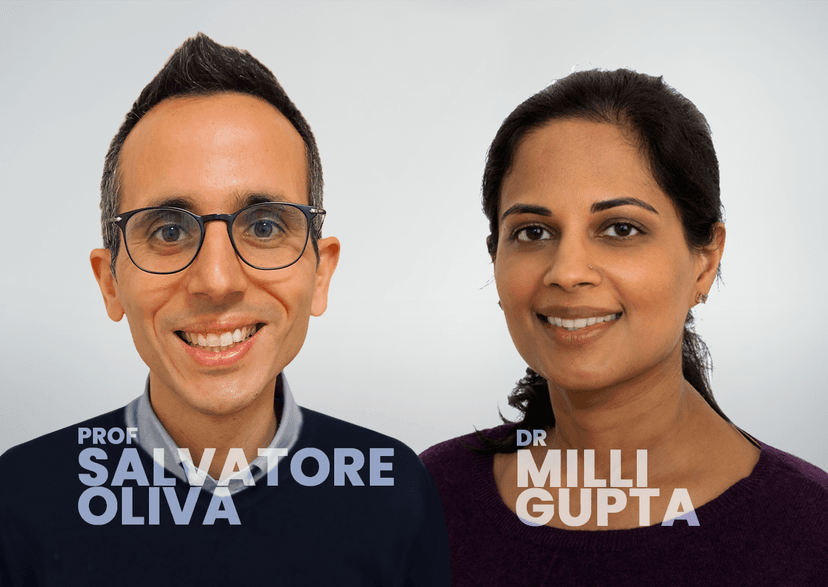
UEGW 2024 | Something to Chew On: Exploring Biologics in EoE Management
Prof. Salvatore Oliva and Dr. Milli Gupta discuss the importance of long-term care, multidimensional assessment, and the latest data for biologics.
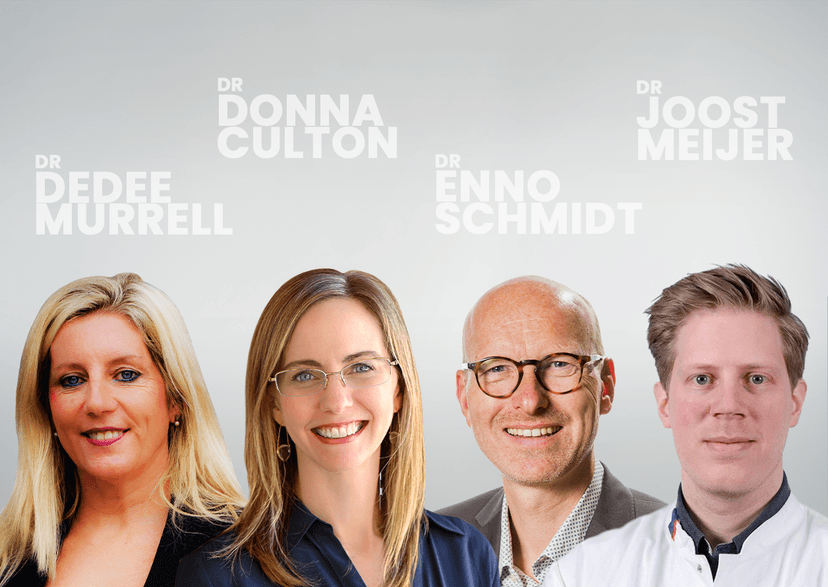
Bullous Pemphigoid (BP): Exploring New Frontiers
Join experts Dédée Murrell, Donna Aline Culton, Joost Meijer and Enno Schmidt for an educational presentation on the clinical presentation, disease burden, diagnosis, and underlying pathophysiology of bullous pemphigoid (BP). Dive deeper into unmet needs and treatment challenges faced by these patients and how targeted therapies may address them.
Translating the Science of CSU: From Pathogenesis to Patient Outcomes
Join Drs. Michihiro Hide, Marta Ferrrer, and Ana M. Giménez-Arnau as they discuss chronic spontaneous urticaria (CSU) and highlight the unmet needs, treatment challenges, and emerging therapies.
Translating the Science of CSU: From Pathogenesis to Patient Outcomes
Watch as Drs. Michihiro Hide, Marta Ferrrer, and Ana M. Giménez-Arnau discuss chronic spontaneous urticaria (CSU) and highlight the unmet needs, importance of disease control, and emerging therapies.
ADVENT at ERS 2024
The ADVENT program will present four symposia sharing the latest science in asthma and COPD at the 2024 European Respiratory Society (ERS) Congress. Visit Booth #A4.02 to learn more about ADVENT.
ADVENT at EADV 2024
Join ADVENT at EADV 2024 congress (European Academy of Dermatology and Venereology) for 2 educational symposia on type 2 inflammation in atopic dermatitis and bullous pemphigoid. Visit Booth #A13 to learn more about type 2 inflammatory skin diseases with ADVENT.
How Biologic Therapy May Lead to Disease Modification in Infants and Children with Atopic Dermatitis
The underlying pathophysiology of atopic dermatitis (AD) is driven by dysregulation of type 2 immunity that contributes to skin barrier dysfunction. AD typically develops very early in life and children with AD often develop other atopic conditions such as food allergy, asthma, and allergic rhinitis in a progression called the atopic march. Early treatment may help reduce the atopic march and other comorbidities to lessen the lifetime burden created by these diseases. There may even be a window of opportunity for disease modification.

ADVENT at UEG Week 2026
Sit down with three leading experts—Professors David Rubin, MD; Evan Dellon, MD, MPH; and Thomas Greuter, MD—for a patient case–based roundtable discussion bringing together inflammatory bowel disease (IBD) and eosinophilic esophagitis (EoE) perspectives on progression and esophageal remodeling in EoE.

Unlocking Better Outcomes: Strategies for Early Diagnosis and Effective Management in Pediatric EoE Patients
Pediatric gastroenterology experts Dr Carolina Gutiérrez Junquera and Dr Christos Tzivinikos where they discuss the importance of early identification and management of pediatric EoE to improve long-term outcomes. They highlight clinical data and discuss their practical experiences with pediatric EoE, including their perspectives on co-occurring type 2 inflammatory diseases, the chronic nature of EoE, and the future of EoE research and therapeutic development.
Coughing, Choking, Wheezing, Itching, Sneezing: Understanding the Connection Between Atopic Diseases Through a Case-Based Panel of Expert Nurse Practitioners
Join leading experts Miguel Lanz, Lakshi Aldredge, Angela Bretton, and Hilary Ugras in an engaging case-based discussion that explores the interconnected nature of chronic underlying type 2 inflammation and its profound impact across multiple diseases.

Bridging the Gap in EoE: Innovative Strategies for Seamless Transition of Care
Join leading experts in EoE, Thomas Greuter, MD, Edoardo Vincenzo Savarino, MD, PhD, and Carla Giordano, MD, PhD, as they use a case-based approach to explore the impact of chronic type 2 inflammation in EoE and outline strategies for optimizing transition of care and monitoring disease progression. They review the latest clinical evidence on therapeutic management and share insights from their own practice to support shared decision-making in the long-term care of EoE.
IFOS 2023 | Type 2 Inflammation and Clinically Relevant Improvements in CRSwNP
Dr. Stella Lee and Profs. Peter Hellings and Wytske Fokkens discuss type 2 inflammation, partnering with patients to improve outcomes, and real-world data on biologic effectiveness in CRSwNP.
