76 search results for: asthma
ADVENT at ATS 2026
At ATS 2026, the Sanofi & Regeneron ADVENT Booth #1301 brings together interactive experiences and educational resources to explore Type 2 inflammation as a key feature underlying both asthma and COPD.

Multifaceted Role of IL-13 in Airway Remodeling
Join Dr. Celeste Porsbjerg as she discusses on how IL-13 contributes to mucus plugging in asthma.

FeNO Is a Noninvasive Biomarker That Can Support Diagnosis and Management for Asthma Patients
Learn how FeNO, a noninvasive biomarker for type 2 inflammation, can be used to optimize care for asthma patients.

The Weight of Breath: The Impact of Pediatric Asthma on Patients and Caregivers
Learn about the multifaceted burden of uncontrolled pediatric asthma on patients and their caregivers.
ADVENT at ATS 2026
At ATS 2026, the Sanofi & Regeneron ADVENT Booth brings together interactive experiences and educational resources to explore Type 2 inflammation as a key feature underlying both asthma and COPD.

ADVENT On Air | Breath, Blood, and Beyond: The Prognostic Power of Biomarkers in Asthma Across Ages
Join pediatric respirologist Dr. Sharon Dell and adult respirologist Dr. Simon Couillard as they discuss the prognostic and diagnostic power of asthma biomarkers and their impact on optimizing patient management across all ages.

EAACI 2025 | At The Intersection of the Type 2 Airways: Navigating the Challenges of CRSwNP & Co-existing Asthma
Professors Brian Lipworth, Zuzana Diamant, and Philippe Gevaert delve into the complexities of managing patients with both severe and/or uncontrolled CRSwNP and co-existing asthma through an evaluation of the diagnostic challenges, personalized treatment strategies, and the latest advancements in understanding the interconnected pathophysiology of these type 2 airway diseases.

ADVENT On Air | Disease Modification in Severe Asthma: Framework, Assessment, and Clinical Impact
Join Professors Brusselle and Backer as they discuss the concept of disease modification in asthma.
Head-to-Head Trials of Biologics in CRSwNP
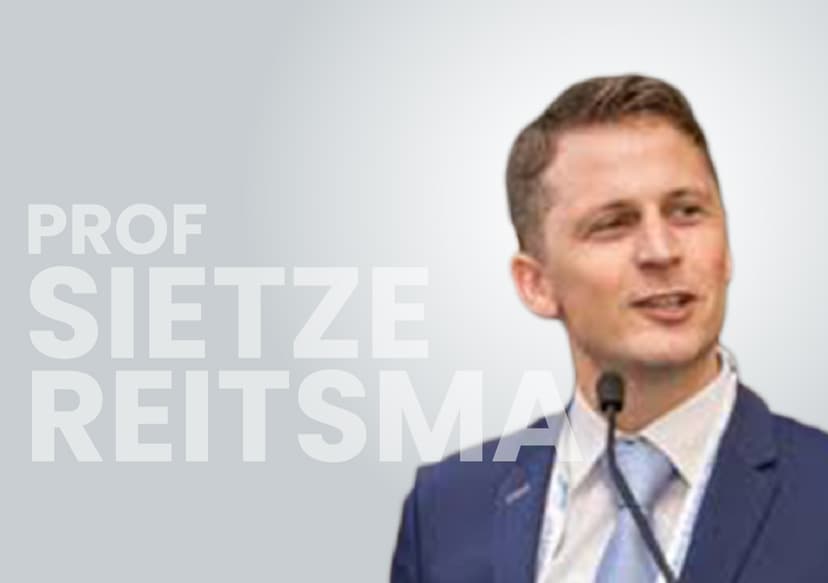
In this video soundbite from the ERS-ISIAN 2025 symposium, Dr. Sietze Reitsma discusses findings from the EVEREST trial, the first head-to-head study comparison of dupilumab and omalizumab in patients with severe CRSwNP and coexisting asthma. It also introduces the ongoing TORNADO study.

Spotlight on Type 2 Inflammation in the Upper and Lower Airways
In this video soundbite from the EAACI 2025 symposium, Dr. Zuzana Diamant explains pathophysiological mechanisms underlying asthma and CRSwNP, and how type 2 inflammatory cytokines drive airway remodelling in patients with severe asthma. Additionally, patients with co-existing asthma and CRSwNP have a higher type 2 inflammatory burden than patients with asthma alone.

ADVENT at ERS 2026
Join Sanofi and Regeneron for four educational symposia on asthma, COPD, and the unified airway.

How Can FeNO Measurement Improve Severe Asthma Management?
Join Dr. Miguel Lanz as he explains the clinical utility of FeNO as a biomarker of severe asthma.
