5 search results for: coexisting diseases
The Benefits of Early Intervention in AD: More Than Skin Deep
Many AD treatment goals focus on clinical manifestations, so that if a patient is free of lesions, their disease is considered well controlled. However, the inflammatory process underlying AD reaches far beyond the skin, affecting patients in unique ways at different stages of their lives. Education on the importance of treating AD beyond the skin and altering the treatment approach to fit the individual patient will help improve clinical management and reduce long-term patient burden.

A Tale of Two Itches: Bridging the Gap With Type 2 Inflammation in PN and CSU
Join Drs. Elmariah, Kim, and Metz as they explore the latest research on neuro-immune mechanisms driving chronic itch and inflammation in PN and CSU.
ADVENT at EADV 2025
Join leading dermatologists for educational symposia on atopic dermatitis, bullous pemphigoid, and chronic spontaneous urticaria at the EADV congress in Paris, France.

ERS 2026 | Breaking Silos Between Asthma and CRSwNP: Loss of Smell as a Marker of Unified Airway Disease
Join experts Roland Buhl, Joaquim Mullol, and Giselle Mosnaim as they discuss the role of type 2 inflammation across the unified airway, with a focus on the amplified burden and the difficulty controlling inflammation when asthma and CRSwNP coexist.
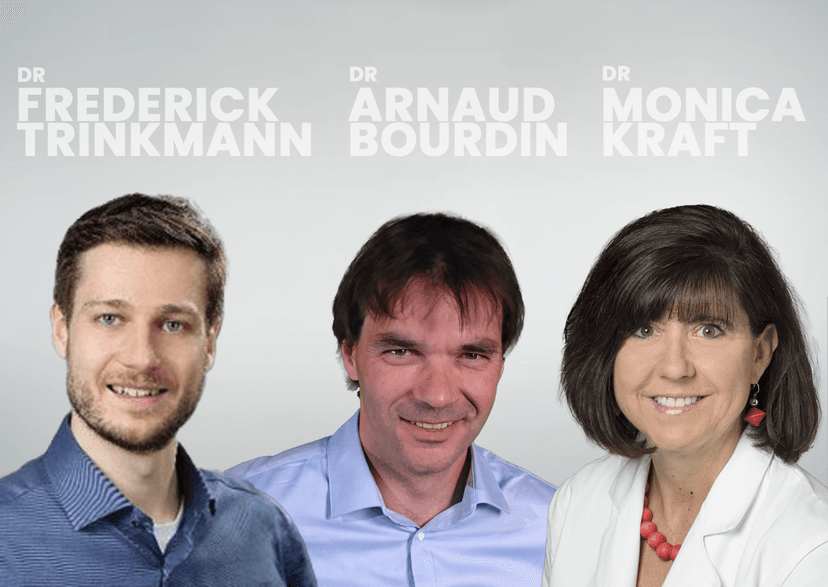
ERS 2026 | Distal Airways, Central Role? Clinical Insights Into Type 2 Severe Asthma
Join experts Frederik Trinkmann, Monica Kraft, and Arnaud Bourdin on an ADVENT educational symposium, “Distal Airways, Central Role? Clinical Insights Into Type 2 Severe Asthma."
