128 search results for: patient burden

Partnering With Patients: Scores That Matter in CRSwNP
Learn how partnering with patients and considering the clinical relevance of symptom improvements can improve patient quality of life
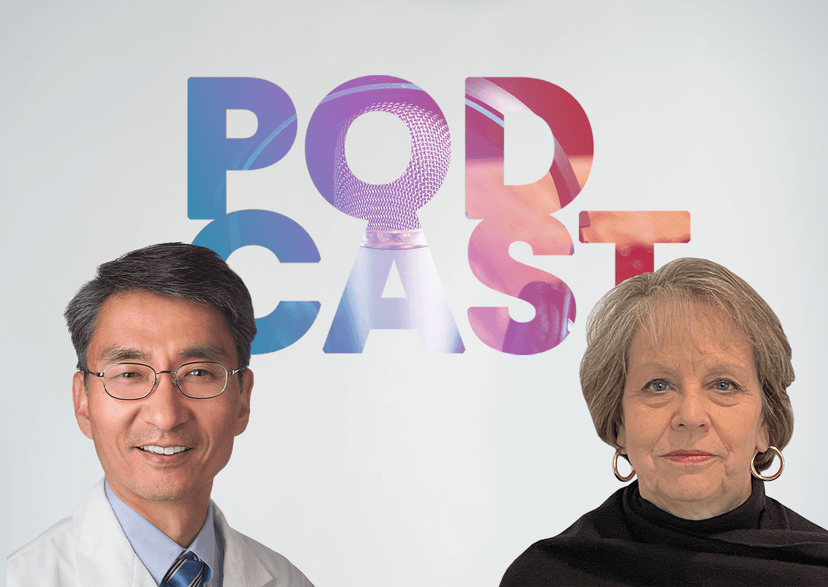
ADVENT On Air | Dysphagia in EoE: How Can You See Beyond Patients’ Adaptive Behaviors?
Learn from Dr. Hirano and Dr. Marcon as they discuss how to unmask EoE symptoms that may be hidden by patients' coping mechanisms.

Bullous Pemphigoid: Exploring New Frontiers
Highlights from the ADVENT educational symposium at EADV 2024 discussing the current understanding of the science and treatment landscape in bullous pemphigoid (BP).

FeNO Is a Noninvasive Biomarker That Can Support Diagnosis and Management for Asthma Patients
Learn how FeNO, a noninvasive biomarker for type 2 inflammation, can be used to optimize care for asthma patients.

Assessing EoE: Assessing Symptoms in Patients With EoE
Join Dr. Nirmala Gonsalves as she reviews symptoms of EoE and tools to assess symptoms in patients with EoE.

Assessing EoE: Monitoring Patients With EoE in Clinical Practice
Hear Dr. Ulrike von Arnim discuss the expert recommendations for monitoring patients with EoE in routine clinical practice.
Assessing EoE: Measuring Quality of Life in Patients With EoE
Join Dr. Nirmala Gonsalves as she reviews some of the tools to assess quality-of-life outcomes in patients with EoE.
ERS 2024 | Airway Remodeling: A Permanent or Transitory Consequence in Severe Asthma Patients?
Join Klaus Rabe, MD, PhD, FERS; Celeste Porsberg, MD, PhD; and Mario Castro, MD, MPH, for a symposium on airway remodeling in severe asthma patients.
CRSwNP at Center Stage: Impact of Biologics in Patients with Co-existing Type 2 Asthma
In this video soundbite from the EAACI 2025 symposium, Dr. Philippe Gevaert explains how biologic options for uncontrolled CRSwNP are increasing, and phase 3 studies of approved biologics show improved outcomes and decreased SCS use/surgery in patients with CRSwNP. Additionally, he explains how biologics targeting type 2 inflammatory pathophysiology potentially improve outcomes for eligible patients with co-existing CRSwNP and asthma.
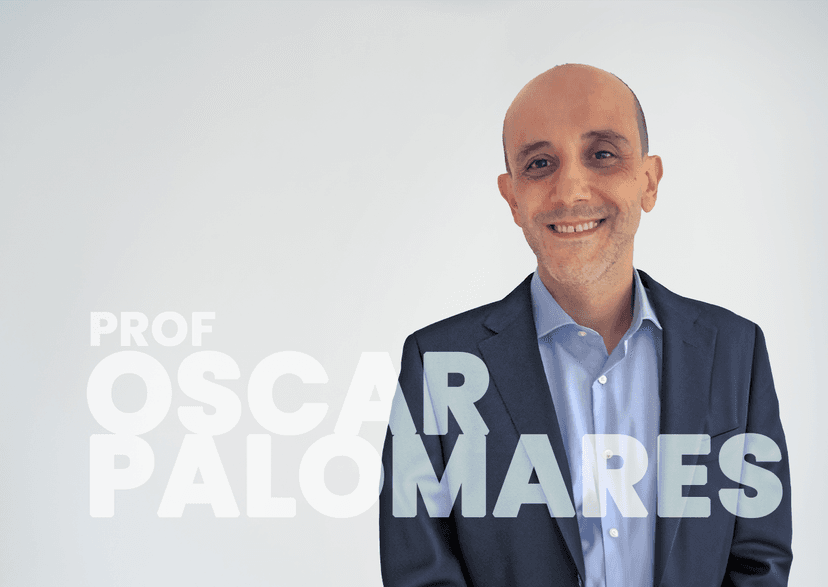
Type 2 Inflammatory Diseases Can Negatively Impact Patients and Their Caregivers
In this soundbite video from the April 2025 ADVENT Forum in Lisbon, Portugal, Prof Oscar Palomares highlights the substantial impact of type 2 inflammatory diseases on the quality of life of patients and their caregivers.

ERS 2025 Enduring Video: Type 2 Severe Asthma “Unplugged”: Reducing Mucus to Improve Long- Term Patient Outcomes
Join Drs. Njira Lugogo, Simon Couillard, and Mario Castro for a session exploring the link between pathogenic mucus and impaired lung function in patients with moderate-to-severe asthma and the potential for disease modification with targeted therapy.
