126 search results for: type 2 inflammation

Prurigo Nodularis (PN): Understanding Its Clinical Features, Complex Burden, and Underlying Mechanisms
Explore the clinical features, complex burden, and underlying mechanisms of PN.

The Role of IL-4 and IL-13 in the Pathophysiology of CSU
Dr. Jason Hawkes details the role of IL-4 and IL-13 in the pathophysiology of CSU at EADV 2025
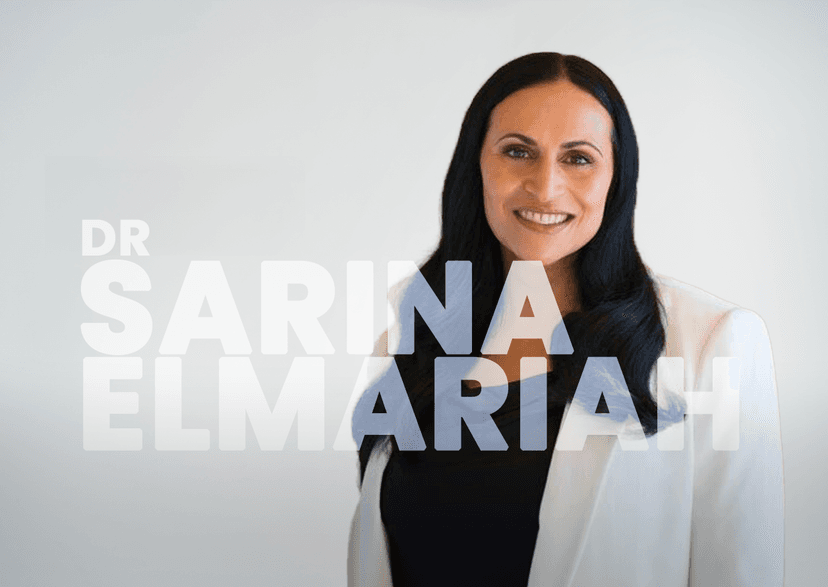
Neuroimmune Dysfunction Is Critical in the Pathophysiology of Prurigo Nodularis
Dr. Sarina Elmariah explains the importance of neuroimmune crosstalk in the development of prurigo nodularis.

The Weight of Breath: The Impact of Pediatric Asthma on Patients and Caregivers
Learn about the multifaceted burden of uncontrolled pediatric asthma on patients and their caregivers.

How Can FeNO Measurement Improve Severe Asthma Management?
Join Dr. Miguel Lanz as he explains the clinical utility of FeNO as a biomarker of severe asthma.
ADVENT at WCI 2025
Join ADVENT for an educational symposium on PN at WCI 2025!

ADVENT On Air | Exploring The Urgency to Treat in Atopic Dermatitis
Professor Lisa Beck explores the chronic and persistent burden of atopic dermatitis (AD) as well as the concept of early intervention in patients with AD.
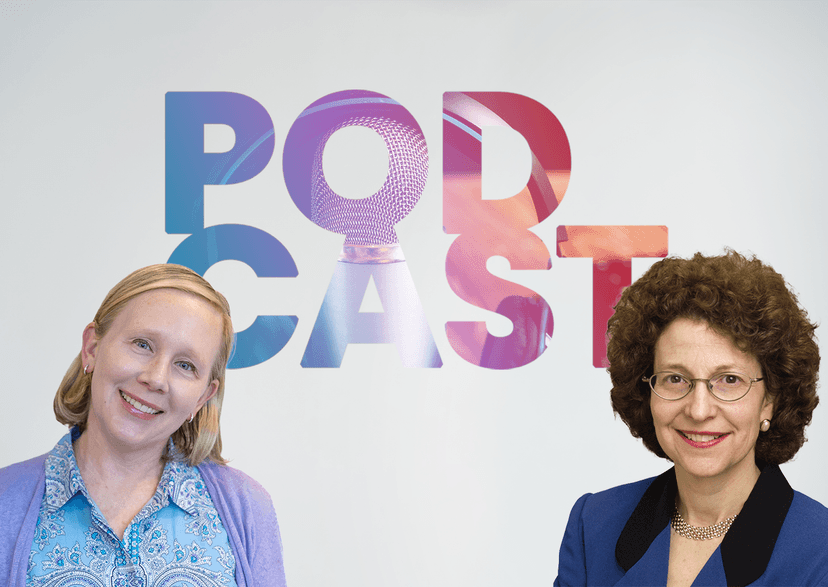
ADVENT On-Air Podcast: Growth and Children With AD
Drs. Amy Paller and Lisa Swanson discuss the risk of low bone mineral density and impaired growth reported in pediatric atopic dermatitis and observed improvements in growth with advanced therapy, especially among children of shorter stature at baseline.
ADVENT at EADV 2024
Join ADVENT at EADV 2024 congress (European Academy of Dermatology and Venereology) for 2 educational symposia on type 2 inflammation in atopic dermatitis and bullous pemphigoid. Visit Booth #A13 to learn more about type 2 inflammatory skin diseases with ADVENT.

Expert Interview with Dr Jason Hawkes
Join Dr. Hawkes as he discusses what burdens and challenges CSU patients might expect and help identify that there are immune functions responsible for their symptoms not an external cause.
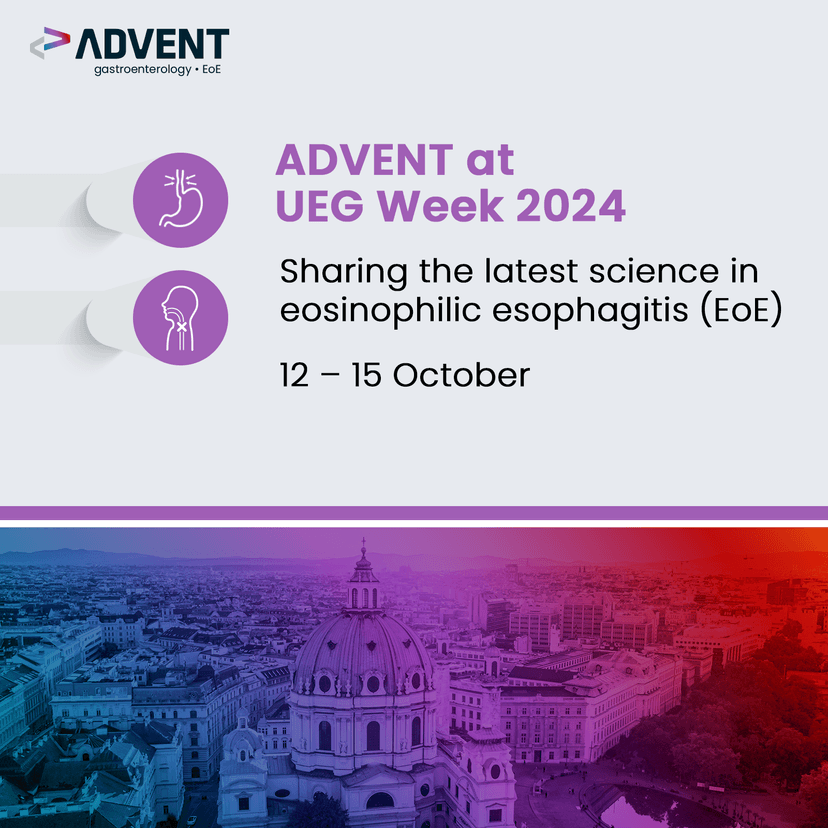
ADVENT at UEG Week 2024
Join ADVENT at UEG Week 2024 (United European Gastroenterology) for an educational symposium on type 2 inflammation in EoE. Visit Booth #25 to learn more about ADVENT.
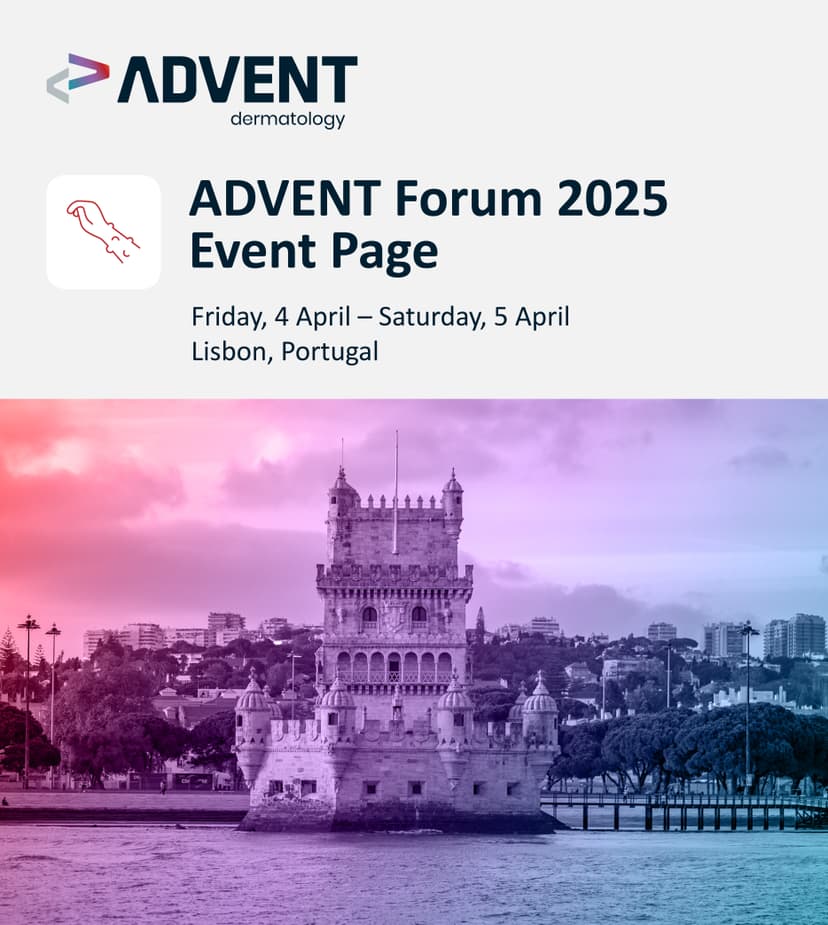
ADVENT Forum 2025 Event Page
From the April 2025 ADVENT Forum in Lisbon, Portugal, this event page serves to spotlight curated soundbites from dermatology and immunology experts that connect the evolving science of type 2 inflammation to clinical application.
