87 search results for: Clinical Management

Cracking the Code: Diagnosing and Managing Skin Diseases With Type 2 Inflammation
This symposium delves into the pivotal role of type 2 inflammation in diverse skin conditions, including atopic dermatitis, prurigo nodularis, chronic spontaneous urticaria, and bullous pemphigoid. It highlights both shared and distinct disease mechanisms and patient burdens, providing crucial insights for optimizing clinical management strategies through a series of engaging panel discussions with Drs Eichenfield, Elmariah, Culton, and Hawkes.
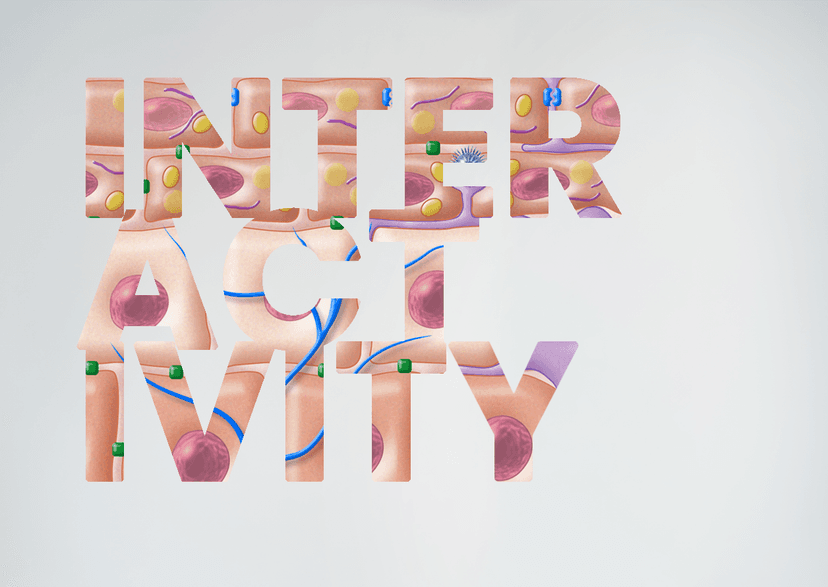
Bullous Pemphigoid Differential Diagnosis and Management Interactive Tool
This interactive tool systematically guides healthcare providers through the complete diagnostic pathway for suspected bullous pemphigoid and provides a comparative overview of leading international treatment guidelines to inform optimal patient management.

Beyond Signs and Symptoms: Broadening Treatment Goals in Dermatology
Dr Lawrence Eichenfield explores the broadening of treatment goals for long-term disease control, highlighting the importance of this approach in atopic dermatitis. Drs Culton, Elmariah, and Hawkes expand the discussion to further examine specific management goals unique to each skin disease (bullous pemphigoid, prurigo nodularis, and chronic spontaneous urticaria).

Clinical Utility of Biomarkers in the Management of AD
Dr. Amy Paller discusses the clinical utility of TARC measurements in AD management at EADV 2025

Assessment of Smell Loss in CRSwNP Interactive Infographic
Use this educational tool to explore the daily burden of loss of smell for patients with CRSwNP.

ADVENT On Air | The Road Ahead: Achieving Remission for Patients With Asthma
Join Professors Klaus Rabe and Ian Pavord as they discuss the importance of on-treatment clinical remission as a goal in asthma management.
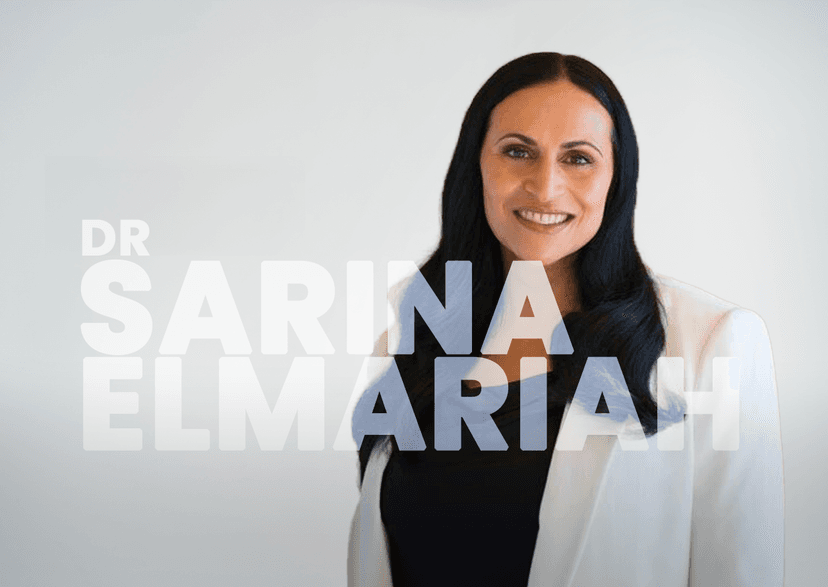
Prurigo Nodularis Is a Challenging Diagnosis
Join Dr. Sarina Elmariah as she discusses the challenges in diagnosing prurigo nodularis.

Pediatric Asthma Trajectory and Clinical Remission
Join Dr. Leonard Bacharier as he discusses the definition of clinical remission in pediatric asthma and how it can represent a potential target in pediatric asthma management.
The Benefits of Early Intervention in AD: More Than Skin Deep
Many AD treatment goals focus on clinical manifestations, so that if a patient is free of lesions, their disease is considered well controlled. However, the inflammatory process underlying AD reaches far beyond the skin, affecting patients in unique ways at different stages of their lives. Education on the importance of treating AD beyond the skin and altering the treatment approach to fit the individual patient will help improve clinical management and reduce long-term patient burden.
Bullous Pemphigoid: Insights and Innovations
Experience this engaging presentation by Dr. Donna Culton, Prof. Dédée Murrell, and Prof. Ulrike Raap, who highlight the heterogeneous clinical presentations of BP and its burden, delve beneath the surface into how autoimmunity and predominantly type 2 inflammation mediate the disease, and explore the evolving toolbox of current approaches in BP management.
Time to Act: Reducing the Impact of Uncontrolled Disease Through Early Intervention
Dr Jason Hawkes describes the importance of early intervention for patients with uncontrolled skin diseases and the effectiveness of evidence-based management strategies, sharing a patient case and his clinical insights with chronic spontaneous urticaria. Drs Eichenfield, Elmariah, and Culton join to review the burdens faced by patients with atopic dermatitis, prurigo nodularis, and bullous pemphigoid, respectively.

EAACI 2024 | On-Treatment Clinical Remission in Upper and Lower Airways: Going Beyond Symptom Control
Join experts G. Walter Canonica, Vibeke Backer, and Joaquim Mullol for an educational symposium on elevating treatment goals from control to remission in the upper and lower airways.
