77 search results for: symptoms
Chronic Obstructive Pulmonary Disease: Disease Burden & Heterogeneity
Learn about the disease burden and heterogeneity of chronic obstructive pulmonary disease (COPD).
Interplay of Barrier Dysfunction and Type 2 Inflammation in EoE
Learn from Prof. Seema Aceves about the interconnectivity of type 2 inflammation and barrier dysfunction in mediating EoE pathophysiology.

Going Beyond the Scope in Eosinophilic Esophagitis
This infographic explores distensibility in EoE, including assessment with EndoFLIP.
ADVENT On Air | More Than Just Difficulty Swallowing: EoE Burden and Diagnosis
Hear Dr. Wechsler and Prof. Bredenoord discuss the multifaceted burden of EoE and how to overcome challenges in identifying EoE in clinical practice.
The Clinical Presentation of CSU is Heterogeneous
Dr Hawkes provides an overview of the distinctive characteristics of wheals and angioedema in clinical manifestation
CSU is Unpredictable in its Course and Duration
Dr. Hawkes highlights how Chronic Urticaria is a mast cell centric disease with moderate levels of spontaneous remission in patients.
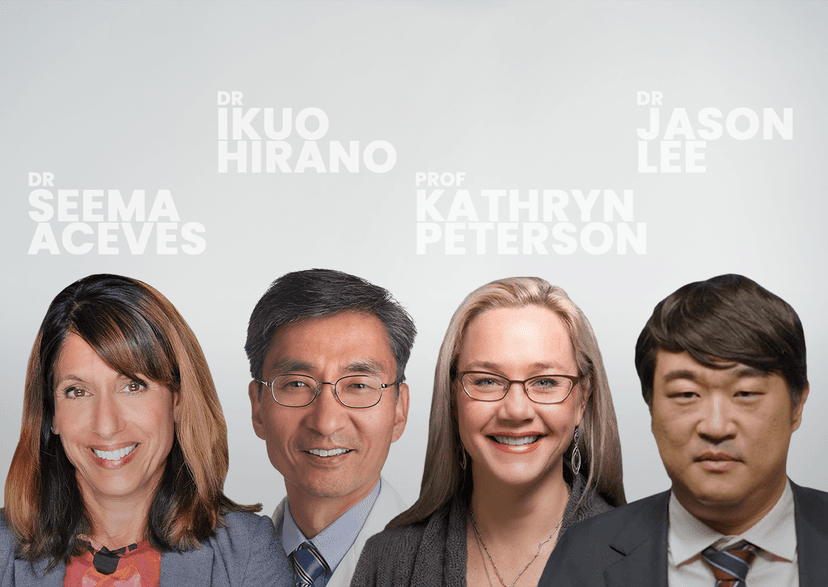
Managing the Risk of Fibrostenosis in EoE
Hear from Drs. Jason Lee, Kathryn Peterson, Seema Aceves, and Ikuo Hirano on disease progression and the importance of managing fibrostenotic risk in EoE.
Understanding the Full Scope of PN: Lesions, Dyspigmentation, and Patient Burden
Professor Matthias Augustin details the various clinical manifestations of prurigo nodularis, illustrating how different lesion types can present concurrently in patients.
The Shared Path: Type 2 Inflammation As a Driver of Chronic Itch
Professor Matthias Augustin highlights the role of type 2 inflammation in chronic itch across distinct pruritic skin diseases and the cumulative burden of chronic itch and skin lesions in PN.
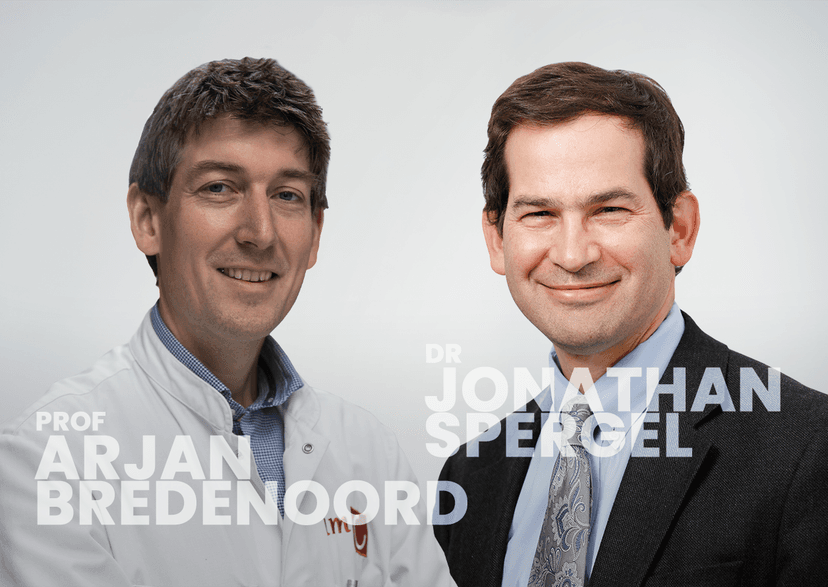
Complex EoE Pathophysiology Beyond Esophageal Eosinophilia
Dr. Jonathan Spergel and Prof. Arjan Bredenoord highlight the importance of different immune cells in type 2 inflammation in EoE.

Assessing EoE: Measuring Quality of Life in Patients With EoE
Join Dr. Nirmala Gonsalves as she reviews some of the tools to assess quality-of-life outcomes in patients with EoE.

Gap in Care Leads to Progression of Fibrosis in EoE
Dr. Evan Dellon discusses the clinical implications of gaps in medical care on the risk of fibrotic progression in EoE.
