130 search results for: burden of disease

ERS-ISIAN 2025 | Type 2 Inflammation and Disease Control in CRSwNP: Current Perspectives and Future Directions
In this educational presentation, Profs. Vibeke Backer and Sietze Reitsma cover key aspects of type 2 inflammation and its role in the pathogenesis and management of CRSwNP and practical strategies for optimizing disease control and improving patient outcomes.
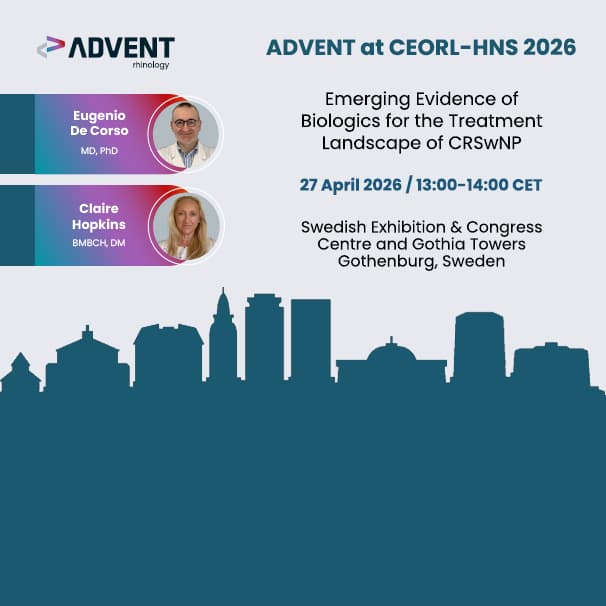
ADVENT at CEORL-HNS 2026
Join Sanofi and Regeneron for an educational symposium on type 2 inflammation, patient characteristics predictive of disease recurrence, and emerging real-world evidence for biologics in CRSwNP.

Unpacking the Significant Burdens of Atopic Dermatitis
Dr. Lawrence Eichenfield shares the cumulative burdens faced by patients with atopic dermatitis.

ADVENT On Air | Charting a New Course: The Frontier of Early Intervention and Disease Modification in AD
Join Drs. April Armstrong and Lisa Beck for a conversation around the long-term burden and effects of AD. They will discuss the underlying pathophysiology of AD and how early intervention and disease modification may impact disease course.

Decoding the Clinical Puzzle: Navigating Diagnostic Complexity Across Inflammatory Skin Diseases
Dr Sarina Elmariah highlights the clinical challenges in diagnosing inflammatory skin diseases, using prurigo nodularis as a case study. Drs Culton, Eichenfield, and Hawkes then join in to discuss additional challenges and complexities when diagnosing other skin diseases.

The Shared Path: Type 2 Inflammation As a Driver of Chronic Itch
Professor Matthias Augustin highlights the role of type 2 inflammation in chronic itch across distinct pruritic skin diseases and the cumulative burden of chronic itch and skin lesions in PN.

Bullous Pemphigoid Is a Challenging Disease to Manage
Dr. Donna Culton discusses the difficulties in managing patients with bullous pemphigoid who are often older and medically vulnerable.
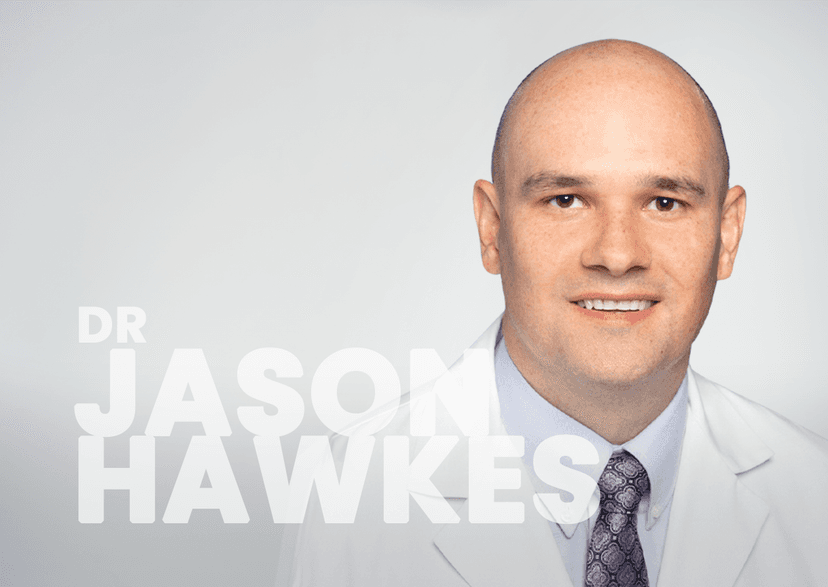
Inside the Hive: Type 2 Inflammatory Pathways in Chronic Spontaneous Urticaria
Join Dr. Jason Hawkes in discussing the burden of CSU and how type 2 inflammation contributes to the development of chronic wheals (hives) and angioedema
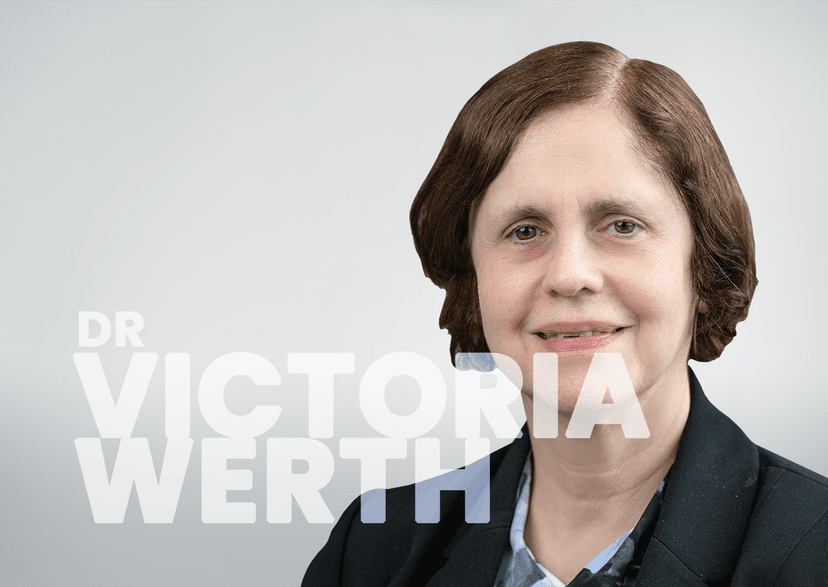
Blisters and Beyond: Autoimmunity Meets Type 2 Inflammation in Bullous Pemphigoid
Join Dr. Victoria Werth in exploring the clinical presentation of BP and how type 2 inflammation contributes to the development of disease signs and symptoms

Atopic Dermatitis in Children: Not Just a Skin Disease
In this video of the October 2024 ADVENT symposium at EAPS in Vienna, Austria, Dr Mark Boguniewicz discusses the multidimensional and cumulative disease burden of AD and its associated comorbidities in children. Dr Boguniewicz also highlights the burden experienced by caregivers of children with AD
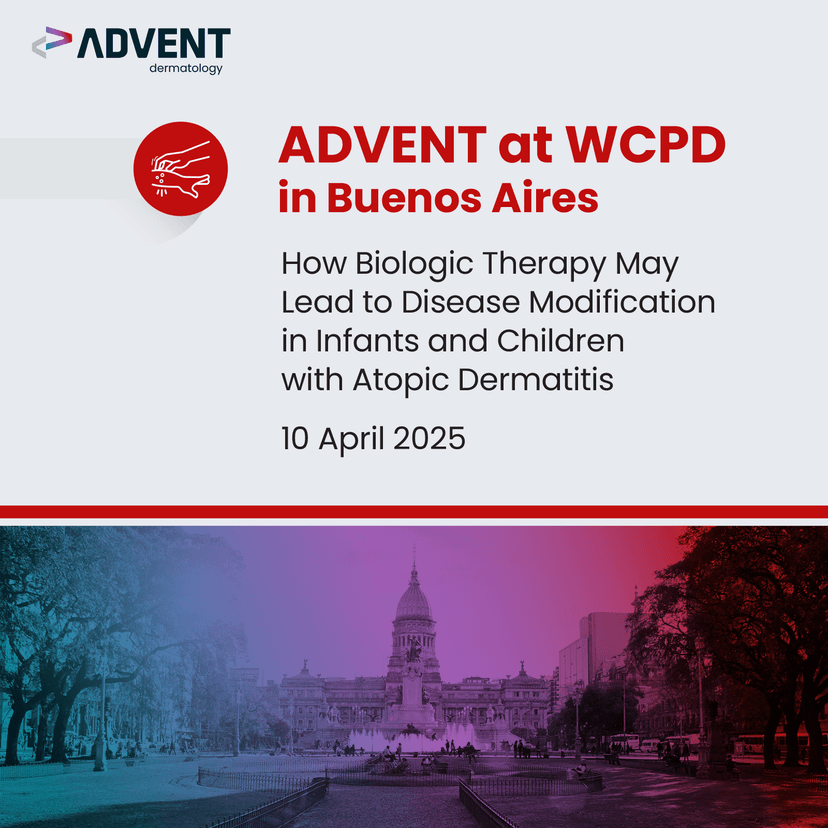
How Biologic Therapy May Lead to Disease Modification in Infants and Children with Atopic Dermatitis
The underlying pathophysiology of atopic dermatitis (AD) is driven by dysregulation of type 2 immunity that contributes to skin barrier dysfunction. AD typically develops very early in life and children with AD often develop other atopic conditions such as food allergy, asthma, and allergic rhinitis in a progression called the atopic march. Early treatment may help reduce the atopic march and other comorbidities to lessen the lifetime burden created by these diseases. There may even be a window of opportunity for disease modification.
Itch in Prurigo Nodularis
In this soundbite video from the April 2025 ADVENT Forum in Lisbon, Portugal, Dr Brian Kim discuss the burdensome itch in prurigo nodularis, the multifactorial etiology of the disease, and the multiple pathological factors that contribute to chronic itch and skin inflammation in PN.
