35 search results for: itch
Itch in Chronic Inflammatory Skin Diseases: Histaminergic and Nonhistaminergic Mechanisms and Role of IL-4 as a Central Orchestrator in Promoting Neuronal Sensitization
In this soundbite video from the April 2025 ADVENT Forum in Lisbon, Portugal, Dr. Brian Kim explores the histaminergic and nonhistaminergic mechanisms of itch, highlighting how type 2 cytokines like IL-4 serve as central orchestrators of neuronal sensitization and immune–nervous system cross-talk.
ADVENT On-Air Podcast: The Multifaceted Patient Burden and Drivers of Disease in Prurigo Nodularis
In this episode, Dr. Sarina Elmariah and Dr. Brian Kim explore prurigo nodularis (PN), with a focus on severe itch, fibrotic skin lesions, and their impact on patients’ quality of life. They discuss PN epidemiology, common comorbidities, and the challenges of managing multimorbid patients, while breaking down the neuroimmune mechanisms, highlighting the role of type 2 cytokines in itch and lesion development.

Gil Yosipovitch, MD
Professor and Stiefel-endowed Chair of Medical Dermatology at the Dr. Phillip Frost Department of Dermatology at the Miller School of Medicine at the University of Miami; Director of the Miami Itch Center, Florida, US
Role of Type 2 Inflammation in Skin Barrier Disruption and Itch
In this highlight video from the October 2024 ADVENT symposium at EAPS in Vienna, Austria, Dr Christine Bangert discusses how type 2 inflammation contributes to epidermal barrier dysfunction and chronic itch in AD
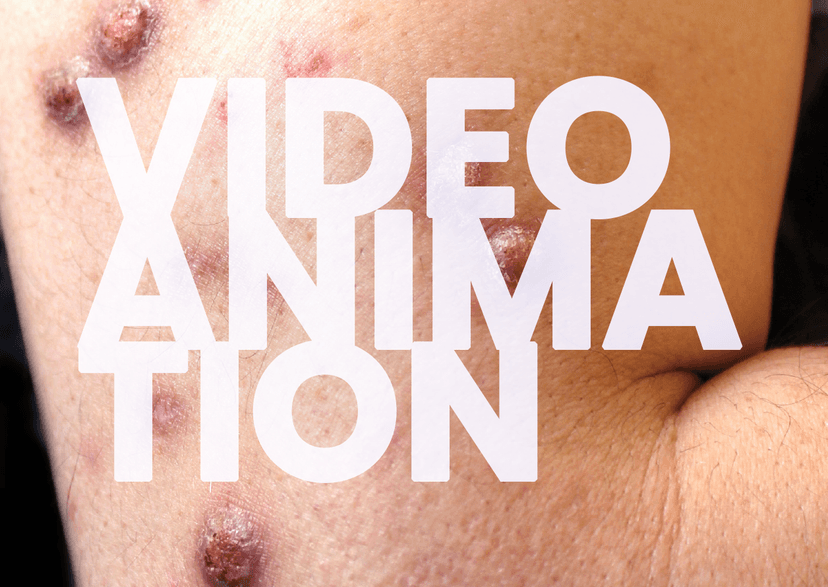
The Pathophysiology of Prurigo Nodularis
An infographic exploring the pathophysiology of prurigo nodularis and the role of type 2 inflammation.

Decoding Chronic Itch and More in PN: Implications of Real-World Data for Clinical Practice
This symposium highlights type 2 inflammation as a key driver of chronic itch and the characteristic skin lesions of prurigo nodularis and evaluates the real-world implications of targeted therapies on clinical practice.
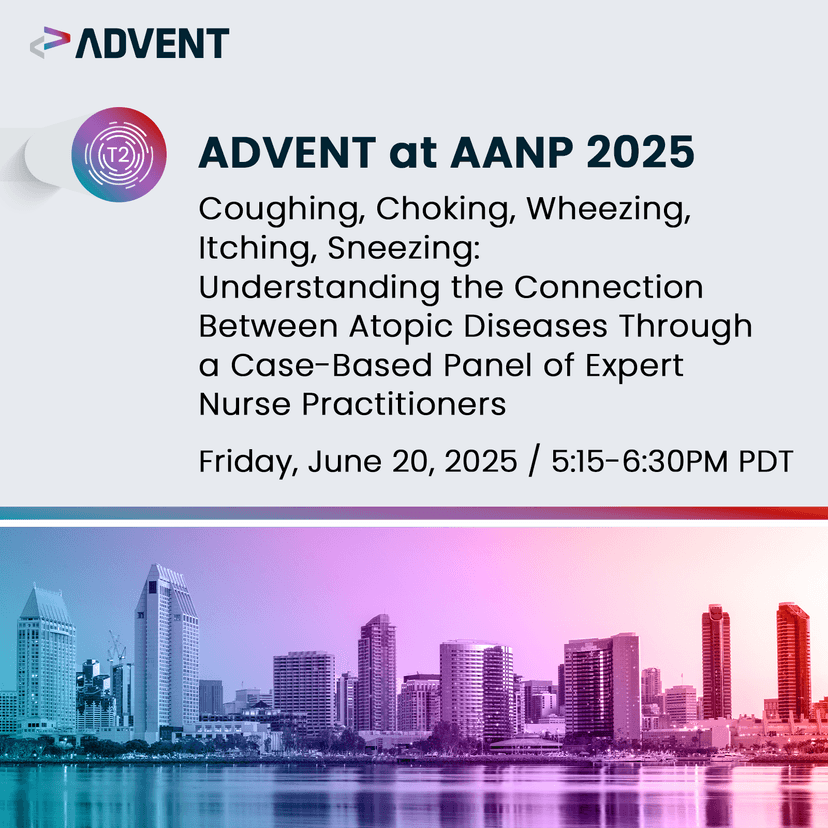
Coughing, Choking, Wheezing, Itching, Sneezing: Understanding the Connection Between Atopic Diseases Through a Case-Based Panel of Expert Nurse Practitioners
Join leading experts Miguel Lanz, Lakshi Aldredge, Angela Bretton, and Hilary Ugras in an engaging case-based discussion that explores the interconnected nature of chronic underlying type 2 inflammation and its profound impact across multiple diseases.
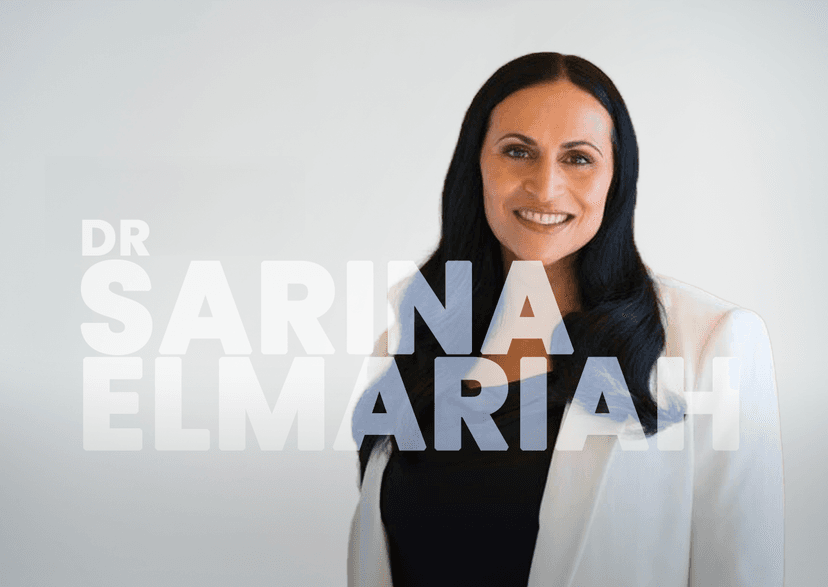
Prurigo Nodularis Management Goals: From Itch Control to Improved Quality of Life
Tune in as Dr. Sarina Elmariah describes the management goals for patients with prurigo nodularis.
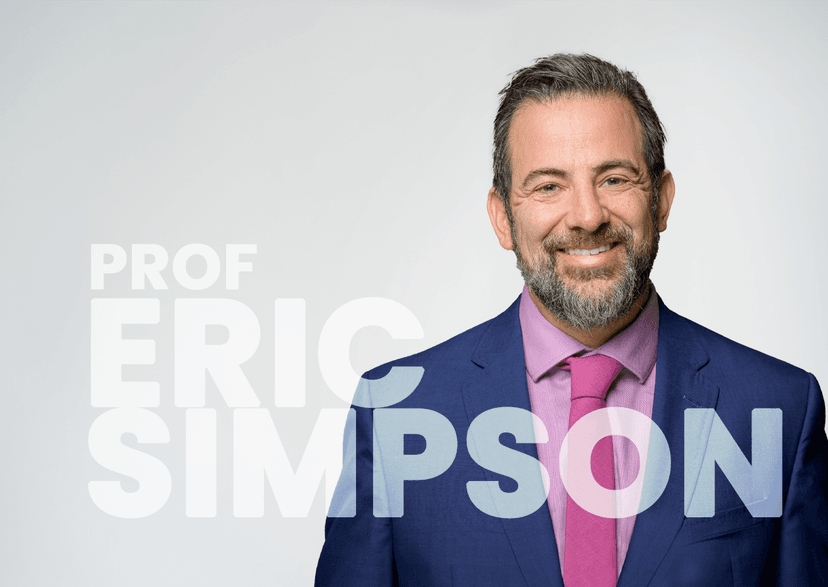
Under the Itchy Surface: The Insidious, Cumulative Burden of Type 2 Inflammation in AD
In this soundbite video from the March 2025 ADVENT symposium in Orlando, Florida, Dr. Eric Simpson highlights the systemic nature of atopic dermatitis (AD) and how the disease burden extends beyond the skin. Through the lens of cumulative life course impairment, Dr. Simpson explores how persistent type 2 inflammation in AD may drive both atopic and nonatopic comorbidities, emphasizing the importance of early, effective treatment to alter disease progression.
Under the Itchy Surface: The Insidious, Cumulative Burden of Type 2 Inflammation in AD
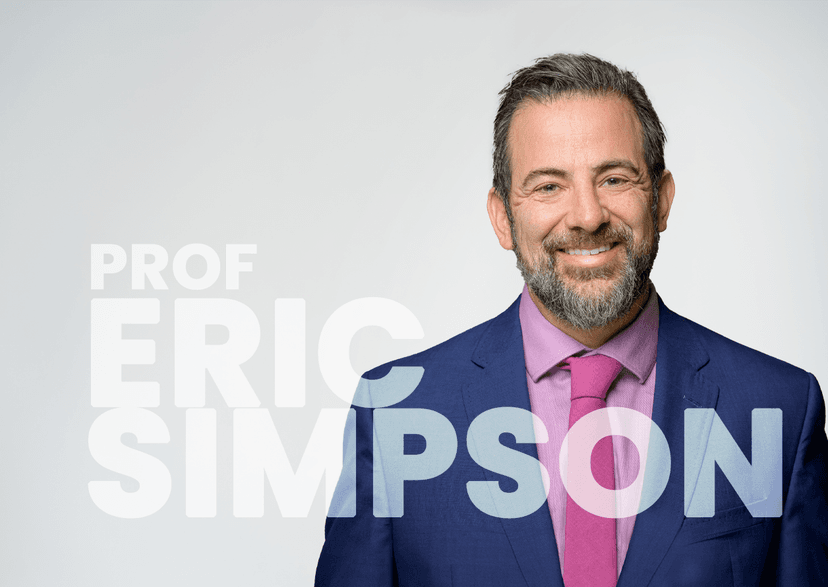
In this video from the March 2025 ADVENT symposium in Orlando, Florida, Dr. Eric Simpson discusses the systemic nature of atopic dermatitis (AD) and how the disease burden extends beyond the skin. Through the lens of cumulative life course impairment, Dr. Simpson goes on to explore how persistent type 2 inflammation in AD may drive both atopic and nonatopic comorbidities, emphasizing the potential importance of early and effective therapeutic intervention to alter disease progression

Inside the Hive: Type 2 Inflammatory Pathways in Chronic Spontaneous Urticaria
Join Dr. Jason Hawkes in discussing the burden of CSU and how type 2 inflammation contributes to the development of chronic wheals (hives) and angioedema
