113 search results for: chronic inflammation

AANP 2025 | Atopic Diseases & a Case-Based Panel of Nurse Practitioners
Experts from different specialties use a case-based discussion to understand type 2 inflammatory diseases from a nurse practitioner perspective.
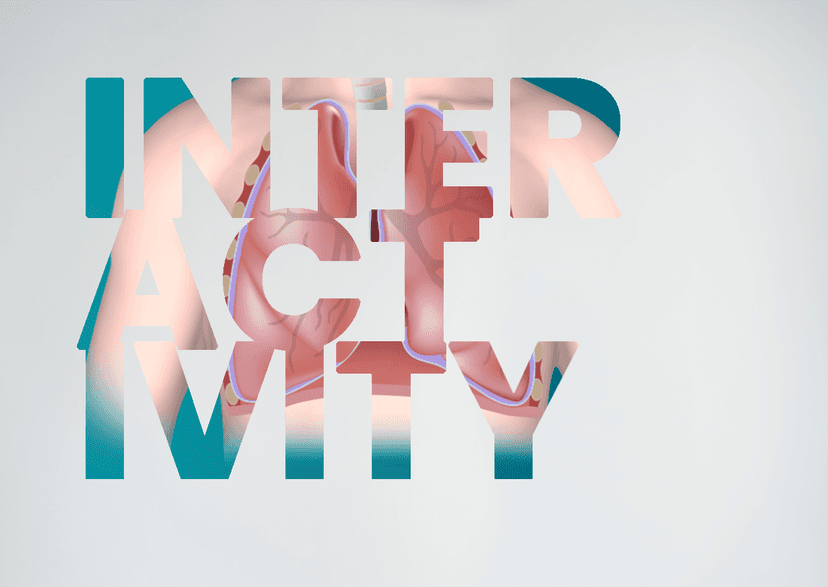
Chronic Obstructive Pulmonary Disease: Disease Burden & Heterogeneity
Learn about the disease burden and heterogeneity of chronic obstructive pulmonary disease (COPD).

EAACI PAAM 2025 | How Type 2 Inflammation Shapes a Lifetime
Join ADVENT faculty members Len Bacharier, Antonella Cianferoni, and Andre Moreira for an educational symposium highlighting type 2 inflammation and its shared and distinct roles in multiple chronic pediatric diseases.
Global ADVENT Forum 2025
In April 2025, Lisbon, Portugal hosted the Global ADVENT Forum, a premier event uniting global experts in pulmonology, gastroenterology, and rhinology. Experts came together to share cutting-edge knowledge and innovative approaches to managing chronic inflammatory diseases affecting the airways, digestive system, and nasal passageways.

What Drives Chronic Itch and the Itch-Scratch Cycle in Atopic Dermatitis?
Watch this short video to learn how type 2 inflammation, skin barrier dysfunction, and neurosensitization contribute to chronic itch and the itch-scratch cycle in atopic dermatitis
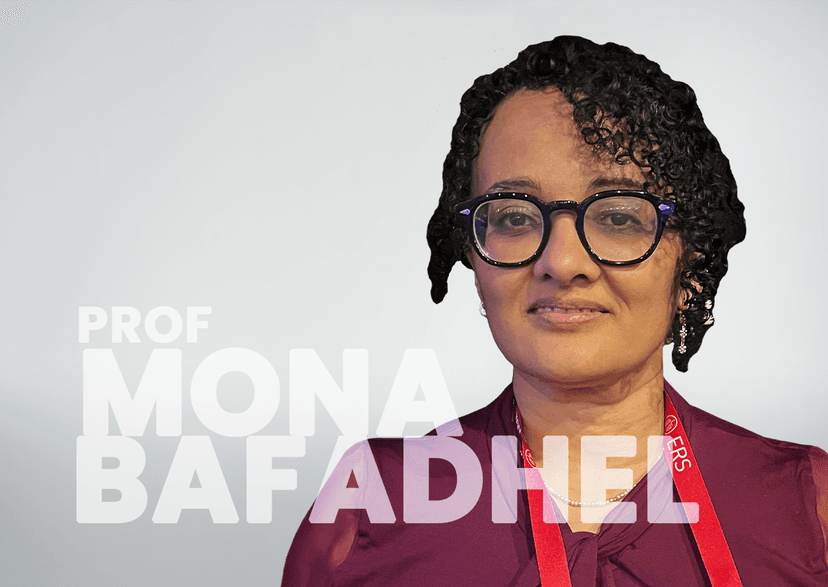
ERS 2024 | Unraveling the Role of Type 2 Inflammation in COPD
Professor Mona Bafadhel presents a comprehensive overview of type 2 inflammation in COPD, exploring its underlying mechanisms, clinical manifestations, and implications for patient outcomes.
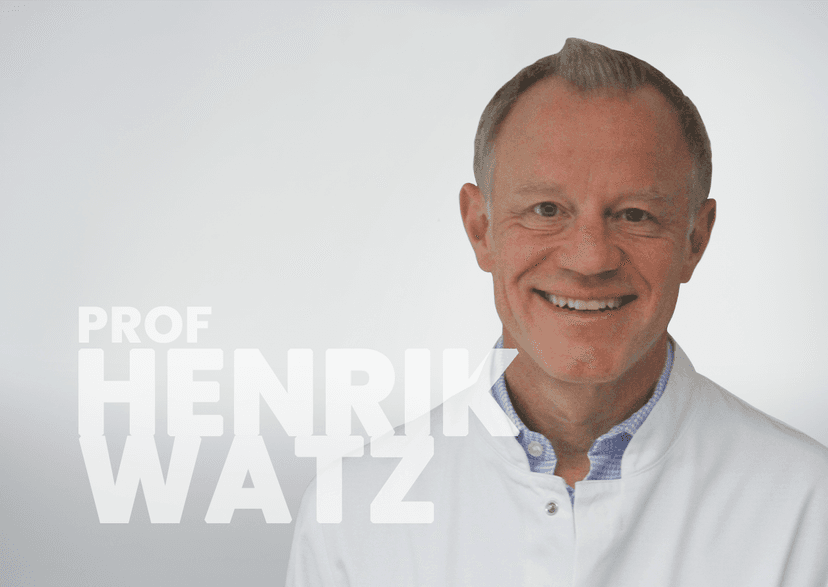
ERS 2024 | Living With COPD: Linking Inflammation with Patient Burden
Professor Henrik Watz explores the complex relationship between inflammation and COPD, highlighting its impact on patients' health and overall quality of life.
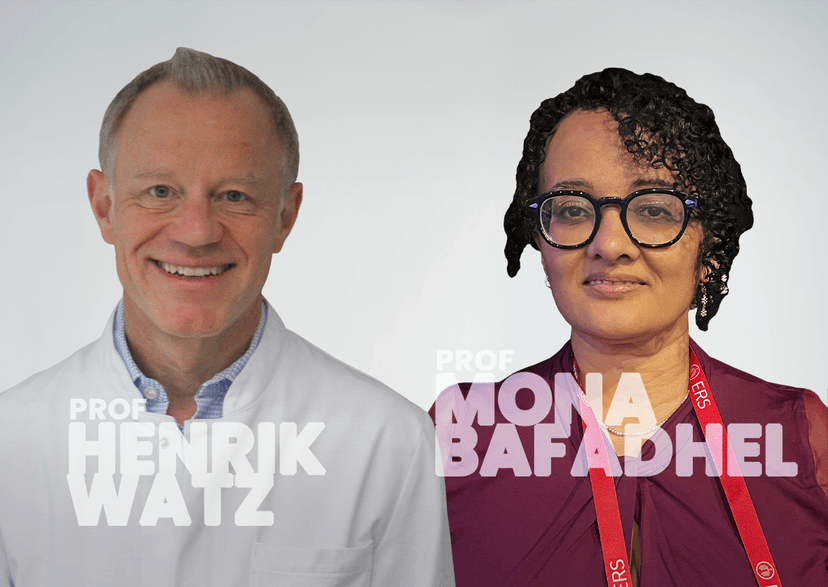
ERS 2024 | A Breath of Fresh Air: A Greater Understanding of COPD With Type 2 Inflammation
Professors Henrik Watz, Mona Bafadhel, and Alberto Papi discuss the pathophysiology of COPD with type 2 inflammation and review current and emerging biologic therapies

Understanding IL-33: A Key Factor in COPD Pathogenesis
Explore the role of interleukin (IL)-33 in chronic obstructive pulmonary disease (COPD) pathophysiology and its potential as a therapeutic target.
Demystifying CPUO: Diagnosis and the Role of Type 2 Inflammation
Join Dr. Brian Kim in discussing the diagnosis of CPUO and the role of type 2 inflammation in disease pathophysiology.
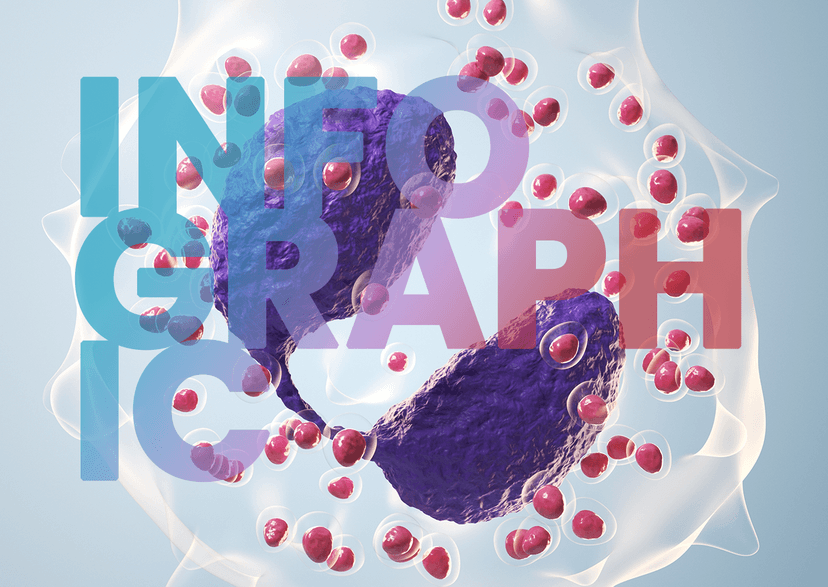
EoE: A Chronic, Progressive, Type 2 Inflammatory Disease Infographic
Learn about key drivers of type 2 inflammation in EoE and how they mediate progressive esophageal remodeling and impact patient burden
From Protective Type 2 Immunity to Aberrant Type 2 Inflammation
In this soundbite video from the April 2025 ADVENT Forum in Lisbon, Portugal, Prof. Oscar Palomares explains how type 2 immunity evolved to protect against parasites, venoms, and toxins, and how its dysregulation can result in aberrant type 2 inflammation underlying multiple chronic inflammatory diseases.
