15 search results for: cytokines

Role of Type 2 Cytokines in Asthma and COPD
Dr Mario Castro explains how type 2 cytokines play a crucial role in airway remodeling and inflammation in asthma and COPD, impacting patient outcomes.

Type 2 Inflammation: Links With Severe Uncontrolled CRSwNP
In this video soundbite from the ERS-ISIAN 2025 symposium, Dr. Vibeke Backer discusses how Type 2 inflammation drives severe, uncontrolled CRSwNP. It covers key immune cells and biomarkers (e.g., IL-4, IL-5, IL-13, TSLP), global prevalence differences, and the importance of symptom tracking and targeted therapies.
Type 2 Cytokines Have Multiple Critical Roles in BP That Contribute to Inflammation and Itch
In this soundbite video from the April 2025 ADVENT Forum in Lisbon, Portugal, Dr. Eric Simpson outlines why early, targeted control of type 2 inflammation may modify the course of atopic dermatitis by addressing upstream drivers of barrier dysfunction, dysbiosis, and itch.

The Role of IL-4 and IL-13 in CSU Pathogenesis
Dive into the complex pathophysiology of chronic spontaneous urticaria (CSU), where mast cell degranulation drives the hallmark signs and symptoms. This interactive infographic elucidates how key type 2 cytokines, specifically IL-4 and IL-13, contribute to mast cell activation, immune cell trafficking into the skin, and neuronal sensitization in CSU, which ultimately leads to the release of mediators like histamine that cause wheals, angioedema, and itch.
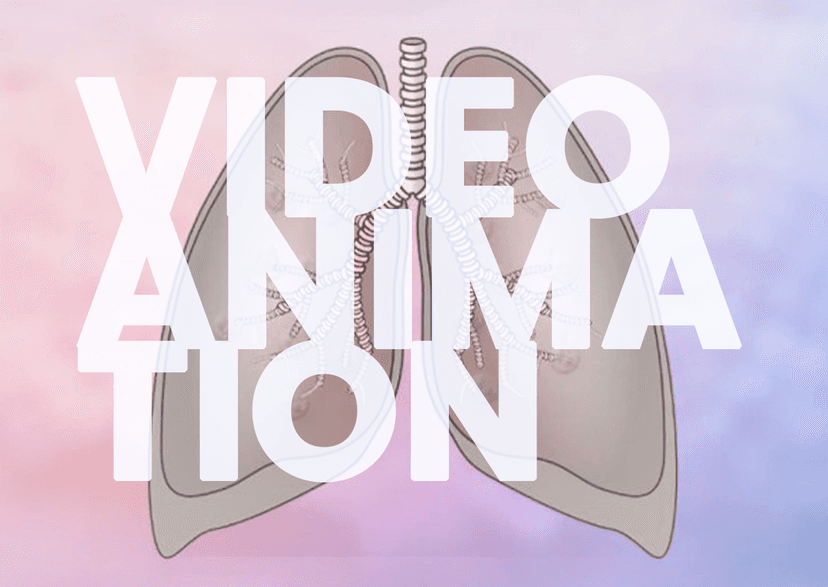
Pathways Driving Chronic Airway Remodeling in Asthma
See how type 2 inflammation underlies remodeling processes in asthma.
In Chronic Pruritic Skin Diseases, the Neuroimmune Axis Involves Dynamic Interactions Between Type 2 Inflammation and Sensory Nerves
In this soundbite video from the April 2025 ADVENT Forum in Lisbon, Portugal, Dr. Brian Kim describes the dynamic neuroimmune interactions in chronic pruritic skin diseases, emphasizing how type 2 cytokines and sensory nerves actively influence both itch perception and tissue inflammation.
Itch in Chronic Inflammatory Skin Diseases: Histaminergic and Nonhistaminergic Mechanisms and Role of IL-4 as a Central Orchestrator in Promoting Neuronal Sensitization
In this soundbite video from the April 2025 ADVENT Forum in Lisbon, Portugal, Dr. Brian Kim explores the histaminergic and nonhistaminergic mechanisms of itch, highlighting how type 2 cytokines like IL-4 serve as central orchestrators of neuronal sensitization and immune–nervous system cross-talk.
Epidemiology and Pathophysiology of AD in Children
In this expert interview video focusing on topics from the October 2024 ADVENT symposium at EAPS in Vienna, Austria, Dr Christine Bangert discusses the epidemiology of AD in children and the role of type 2 cytokines in driving the pathophysiology of the disease

Spotlight on Type 2 Inflammation in the Upper and Lower Airways
In this video soundbite from the EAACI 2025 symposium, Dr. Zuzana Diamant explains pathophysiological mechanisms underlying asthma and CRSwNP, and how type 2 inflammatory cytokines drive airway remodelling in patients with severe asthma. Additionally, patients with co-existing asthma and CRSwNP have a higher type 2 inflammatory burden than patients with asthma alone.
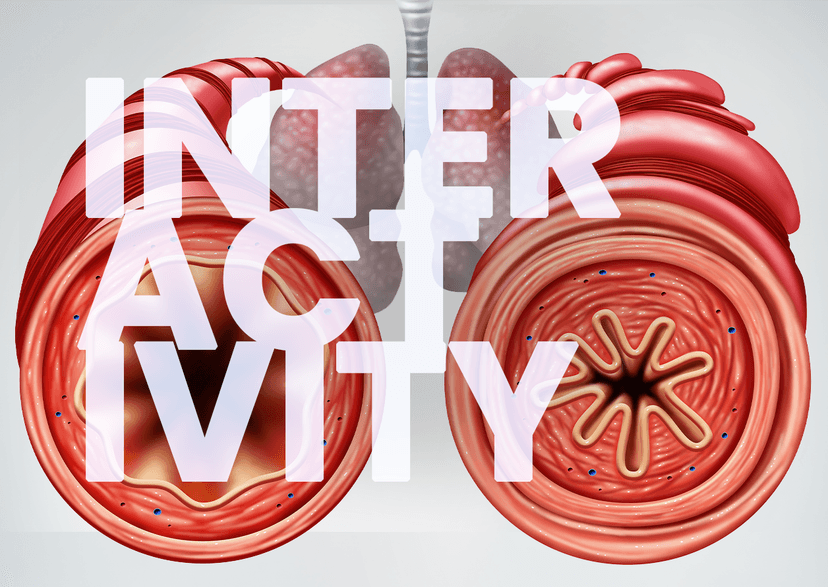
Airway Hyperresponsiveness In Asthma Is Mainly Driven By Components Of Type 2 Inflammation
Examine underlying type 2 inflammation as a driver of airway hyperresponsiveness in patients with asthma.
