114 search results for: burden of disease
ADVENT Forum 2025 On Demand page
Watch on-demand expert soundbites recorded at the April 2025 ADVENT Forum in Lisbon, Portugal, featuring dermatology and immunology perspectives on mechanisms and clinical practice. Topics range from disease mechanism to patient care and quality of life, spanning atopic dermatitis (AD), prurigo nodularis (PN), chronic spontaneous urticaria (CSU) and bullous pemphigoid (BP).
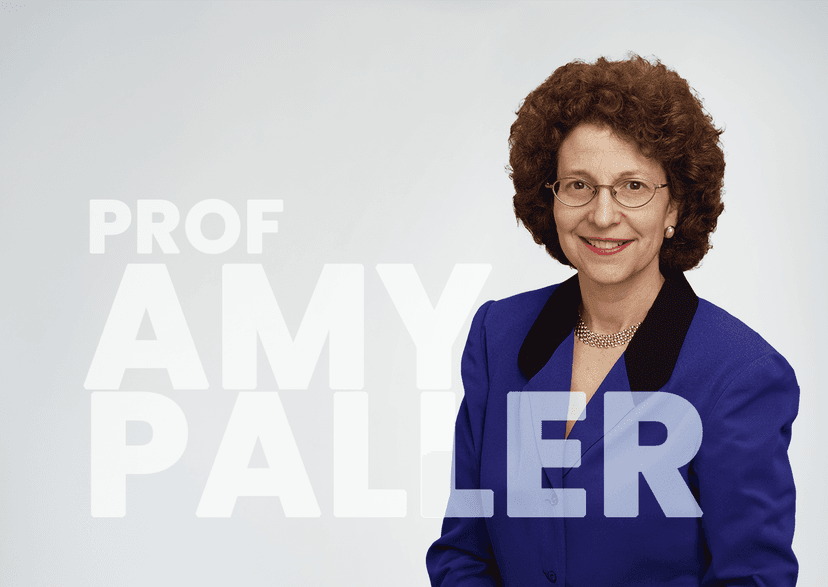
Atopic and Nonatopic Comorbidities in AD and the Importance of Early Intervention
In this soundbite video from the April 2025 ADVENT Forum in Lisbon, Portugal, Dr Amy Paller reviews the increased risk of atopic and nonatopic comorbidities associated with atopic dermatitis and discusses the potential of early intervention to mitigate their development.
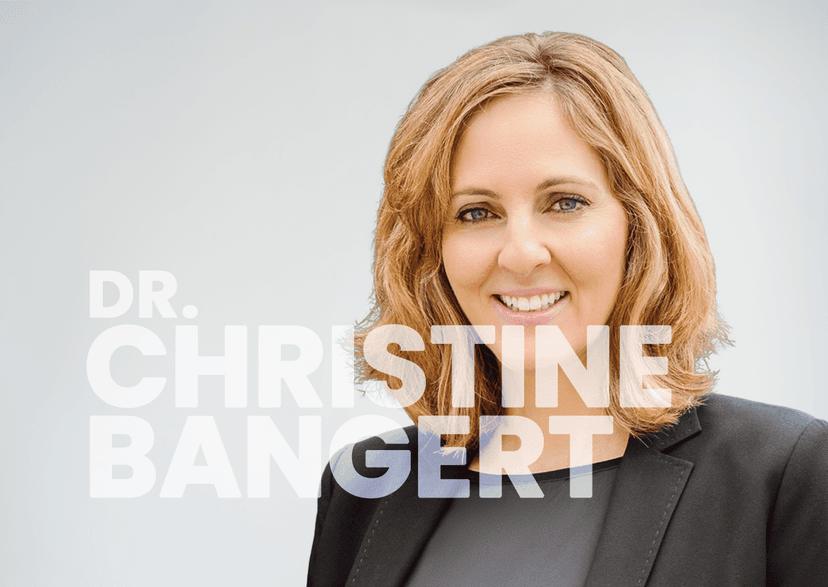
Epidemiology and Pathophysiology of AD in Children
In this expert interview video focusing on topics from the October 2024 ADVENT symposium at EAPS in Vienna, Austria, Dr Christine Bangert discusses the epidemiology of AD in children and the role of type 2 cytokines in driving the pathophysiology of the disease

Adaptive Behaviors in EoE Infographic
Learn how to recognize adaptive eating behaviors in patients with EoE and why it is important for assessment and management.

Assessing EoE: Measuring Quality of Life in Patients With EoE
Join Dr. Nirmala Gonsalves as she reviews some of the tools to assess quality-of-life outcomes in patients with EoE.
CRSwNP at Center Stage: Impact of Biologics in Patients with Co-existing Type 2 Asthma
In this video soundbite from the EAACI 2025 symposium, Dr. Philippe Gevaert explains how biologic options for uncontrolled CRSwNP are increasing, and phase 3 studies of approved biologics show improved outcomes and decreased SCS use/surgery in patients with CRSwNP. Additionally, he explains how biologics targeting type 2 inflammatory pathophysiology potentially improve outcomes for eligible patients with co-existing CRSwNP and asthma.

ACG 2025 | Stop Spinning Your Wheels on EoE
Drs. Dellon and Dickstein host a symposium where audience members solve puzzles to uncover cutting-edge knowledge of eosinophilic esophagitis (EoE).

ACG 2025 | Stop Spinning Your Wheels on EoE
Drs. Dellon and Dickstein host a Symposium where audience members solve puzzles to uncover cutting-edge knowledge of eosinophilic esophagitis (EoE). This event is neither sponsored by nor endorsed by ACG.

EAACI PAAM 2025 | How Type 2 Inflammation Shapes a Lifetime
Join ADVENT faculty members Len Bacharier, Antonella Cianferoni, and Andre Moreira for an educational symposium highlighting type 2 inflammation and its shared and distinct roles in multiple chronic pediatric diseases.
ADVENT On Air | Be on the Lookout for EoE: The Importance of Early Diagnosis
Join Dr. Aceves and Ms. Ugras as they share their insights on how to identify potential patients with EoE and the importance of early diagnosis.

World Anosmia Awareness Day
Explore our educational resources about loss of smell and the role of type 2 inflammation in CRSwNP, featuring expert insights from Profs. Wytske Fokkens and Joaquim Mullol.
