114 search results for: burden of disease

ADVENT on Air: OCS in CRSwNP Podcast
Listen to experts, Dr. Amber Luong and Dr. Marjolein Cornet, discuss the significant burden of oral corticosteroid (OCS) use in chronic rhinosinusitis with nasal polyps (CRSwNP) and its short-term, long-term, and cumulative risks, particularly for patients with coexisting conditions like asthma. Experts highlight the need for improved multidisciplinary approaches and OCS-sparing strategies to optimize patient care.

Atopic Dermatitis in Children: Not Just a Skin Disease
In this video of the October 2024 ADVENT symposium at EAPS in Vienna, Austria, Dr Mark Boguniewicz discusses the multidimensional and cumulative disease burden of AD and its associated comorbidities in children. Dr Boguniewicz also highlights the burden experienced by caregivers of children with AD
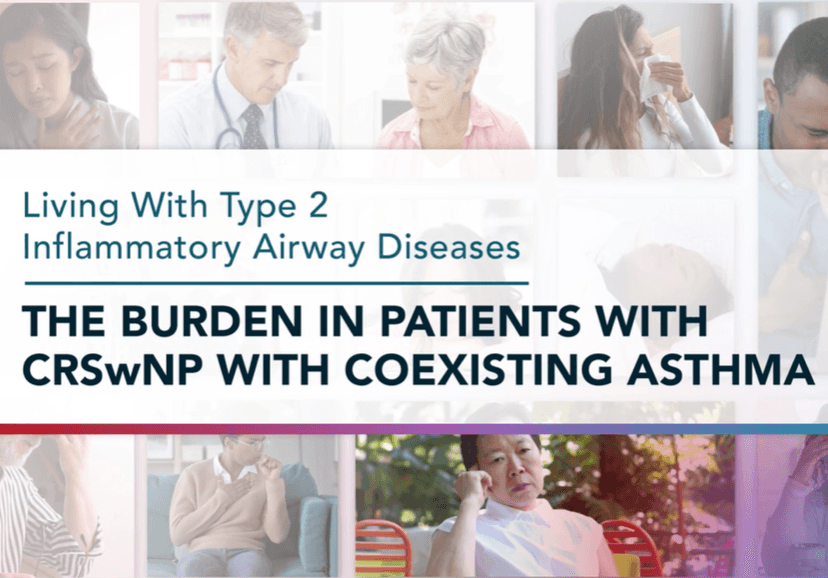
The Burden in Patients with CRSwNP and Coexisting Asthma
This video supports improved clinical awareness and encourages comprehensive care strategies for patients living with both CRSwNP and asthma.

CLCI in Atopic Dermatitis Infographic
This infographic highlights how uncontrolled moderate‑to‑severe atopic dermatitis (AD) can lead to Cumulative Life Course Impairment (CLCI) by contributing to ongoing physical, psychological, and social burdens such as itch and sleep loss, impaired bone growth and mental health challenges. It emphasizes the importance of early and effective disease control to help reduce long‑term impact on patients.

ERS 2024 | View From the Clinic: What Are the Clinical Consequences of Airway Remodeling?
Professor Klaus Rabe shares a patient case highlighting the burden of disease associated with airway remodeling and discusses practical aspects of identifying and managing airway remodeling in severe asthma patients with Professor Porsbjerg and Dr Castro.

EoE: A Chronic, Progressive, Type 2 Inflammatory Disease Infographic
Learn about key drivers of type 2 inflammation in EoE and how they mediate progressive esophageal remodeling and impact patient burden
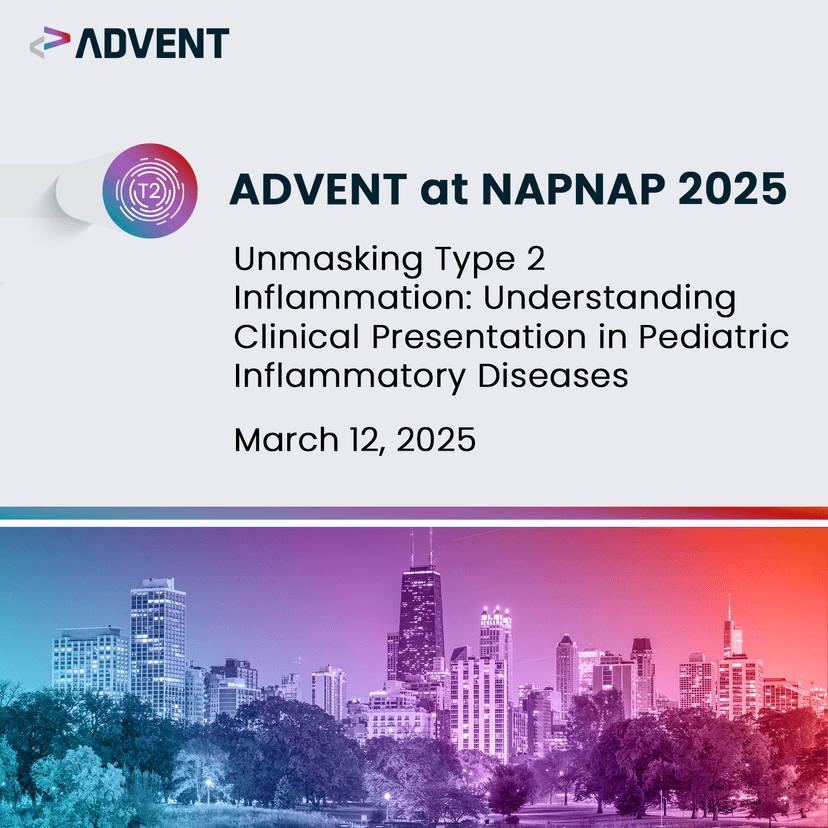
ADVENT at NAPNAP 2025
Join experts Jonathan Spergel, MD, PhD, Wanda Phipatanakul, MD, MS, and Jerry Ellen Schonfeld, CPNP, at an educational symposium as they investigate the role of type 2 inflammation in pediatric diseases. The speakers will also discuss the difficulties in diagnosis and burdens patients and their families face.

ERS 2024 | Living With COPD: Linking Inflammation with Patient Burden
Professor Henrik Watz explores the complex relationship between inflammation and COPD, highlighting its impact on patients' health and overall quality of life.

AANP 2025 | Atopic Diseases & a Case-Based Panel of Nurse Practitioners
Experts from different specialties use a case-based discussion to understand type 2 inflammatory diseases from a nurse practitioner perspective.

Uncovering the Impact of Moderate COPD Exacerbations
The infographic provides information about the clinical characteristics used to classify moderate COPD exacerbations and the impact of these events on lung function, future risk, and mortality.